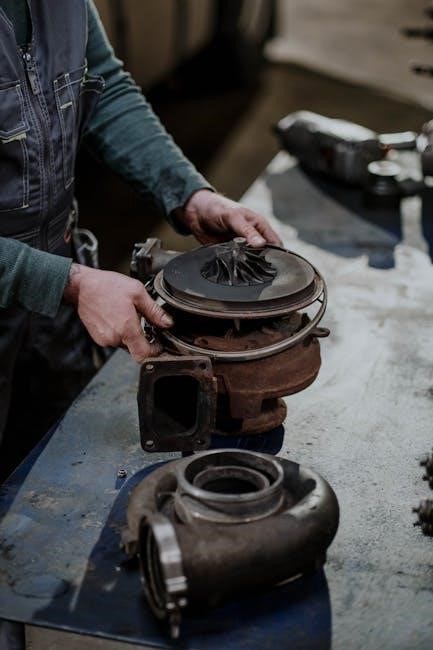
Maintaining your Mercury outboard ensures reliable performance and longevity; service manuals offer crucial details for proper upkeep, covering dangers, warnings, and adjustments.
Importance of Regular Maintenance
Consistent maintenance is paramount for Mercury outboard engines, directly impacting their operational lifespan and preventing costly repairs. Neglecting routine checks can lead to decreased performance, increased fuel consumption, and potential engine failure while on the water.
Following a service manual’s guidelines – detailing adjustments and specifications – ensures optimal functionality. Regular upkeep safeguards against corrosion, a significant concern in marine environments. Addressing issues promptly, as outlined in the manual, prevents minor problems from escalating into major overhauls.
Furthermore, adhering to a maintenance schedule maintains the engine’s value, crucial for resale or trade-in. Proper care also contributes to safer boating experiences, minimizing the risk of unexpected breakdowns and ensuring reliable operation when needed most. Prioritizing maintenance is an investment in peace of mind and long-term enjoyment.
Tools and Supplies Needed
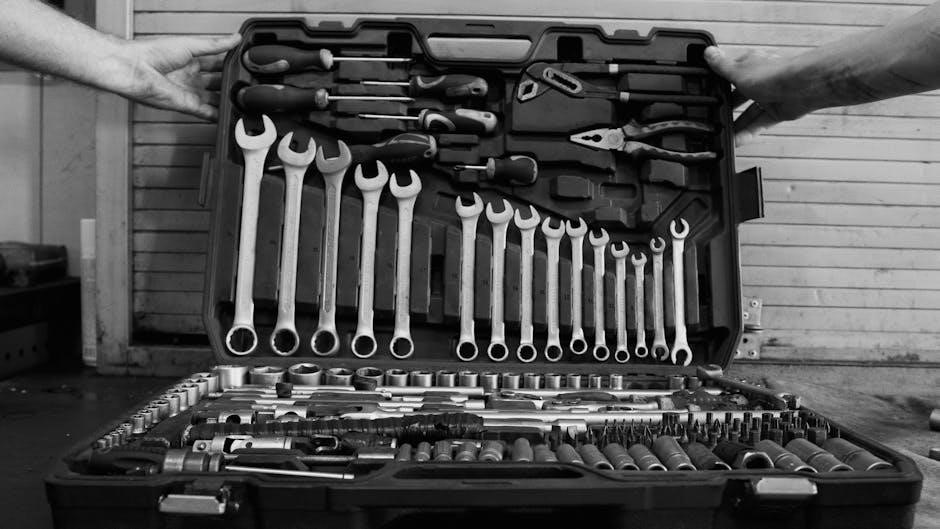
Essential tools for Mercury outboard maintenance include a comprehensive socket set, wrenches (both open-end and box-end), screwdrivers (Phillips and flathead), pliers, and specialized marine tools like a propeller wrench. Diagnostic equipment, such as a multimeter, is crucial for electrical system checks.
Supplies encompass marine-grade lubricants (gearcase oil, engine oil for four-stroke models, and grease), fuel filters, spark plugs (correct type specified in the manual), and corrosion protection sprays. Cleaning solvents, rags, and a fuel stabilizer are also necessary.
Safety gear, including gloves and eye protection, is non-negotiable. Battery cable sizing and length are critical, referencing the engine installation manual for specifications. Having a service manual readily available is paramount for accurate procedures and torque values, ensuring correct repairs and preventing damage.
Fuel System Maintenance
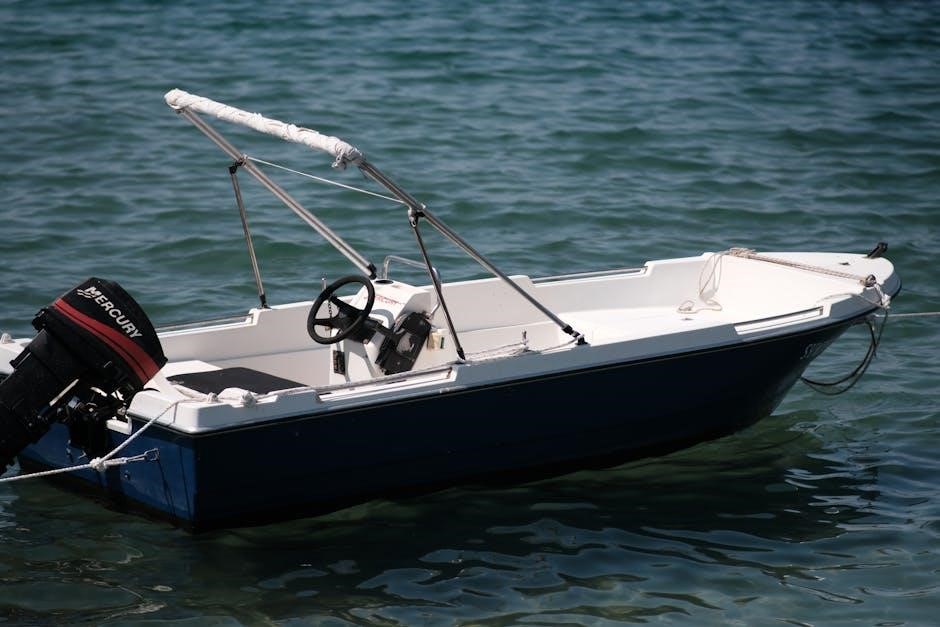
Regular fuel system care, detailed in the manual, involves filter changes, carburetor cleaning, and line inspections to guarantee optimal engine performance and reliability.
Fuel Filter Replacement
The Mercury outboard service manual emphasizes the importance of a clean fuel filter for optimal engine operation. A clogged filter restricts fuel flow, leading to reduced power and potential engine damage. Replacement frequency depends on usage, but annual inspection is recommended.
Locate the fuel filter, typically found between the fuel tank and the carburetor. Before removal, relieve fuel system pressure to avoid spills. Disconnect the fuel lines, noting their orientation for correct reassembly. Install the new filter, ensuring proper sealing to prevent leaks.
Always refer to the specific manual for your engine model, as filter location and type can vary. Proper disposal of the old filter is crucial, following local environmental regulations. Regular fuel filter replacement is a simple yet vital maintenance task.
Carburetor Cleaning and Adjustment
The Mercury outboard service manual details carburetor maintenance as critical for smooth engine running. Fuel degradation can cause varnish and deposits to build up, affecting performance. Disassembly requires careful attention to small parts and gaskets; a rebuild kit is often recommended.
Cleaning involves using carburetor cleaner to dissolve deposits in jets and passages. Ensure all passages are clear, using compressed air cautiously. Reassembly follows the reverse of disassembly, with new gaskets installed. Adjustment involves setting idle speed and mixture screws according to the manual’s specifications.
Incorrect adjustments can lead to poor fuel economy or engine damage. Always consult the manual for your specific model, as procedures vary. Carburetor cleaning and adjustment are best left to experienced technicians if you’re uncomfortable performing the task.
Fuel Line Inspection and Replacement
Mercury outboard service manuals emphasize regular fuel line inspection as a safety and performance necessity. Fuel lines degrade over time, becoming brittle and prone to leaks, posing a fire hazard. Inspect lines for cracks, kinks, or signs of deterioration before each use.

Replacement should occur if any damage is found, or as a preventative measure every few years. Use only Marine-grade fuel lines specifically designed for outboard motors; automotive fuel lines are not suitable. Ensure the replacement line is the correct diameter and length.
When replacing, use proper fuel line clamps to secure connections tightly. Avoid over-tightening, which can damage the line. Always disconnect the battery before working on the fuel system. Refer to the manual for specific routing instructions for your engine model.

Lubrication System Maintenance
Proper lubrication, detailed in the Mercury manual, is vital for reducing friction and wear within the engine and drive components, ensuring smooth operation.
Gearcase Lubrication
Regular gearcase lubrication is absolutely critical for the longevity and efficient operation of your Mercury outboard. The service manual emphasizes the importance of using the correct type of gear oil, specifically formulated for marine applications, to protect the gears from corrosion and wear.
Checking the gear oil should be a routine part of your maintenance schedule. Look for signs of water intrusion – a milky or cloudy appearance indicates a compromised seal. The manual details the proper procedure for draining and refilling the gearcase, including the location of the drain and fill plugs.
Always ensure the boat is properly supported and the engine is in a neutral position during this process. Replacing the gearcase oil annually, or more frequently under heavy use, is highly recommended to prevent costly repairs down the line. Ignoring this maintenance can lead to gear failure and complete drive unit replacement.
Engine Oil Change (Four-Stroke Models)
For Mercury four-stroke outboards, consistent engine oil changes are paramount for maintaining optimal performance and extending engine life. The service manual provides detailed instructions, stressing the use of oil that meets Mercury’s specific certification standards – crucial for protecting internal components.
The manual outlines the correct oil capacity for your specific engine model, as well as the recommended oil change interval, typically based on operating hours. It details the location of the oil drain plug and filter, and the proper torque specifications for reinstallation.
Always dispose of used oil responsibly, following local environmental regulations. Regularly checking the oil level between changes is also vital, ensuring adequate lubrication. Neglecting oil changes can lead to increased friction, wear, and ultimately, engine failure. Following the manual’s guidance is key.
Greasing of Moving Parts
The Mercury outboard service manual emphasizes the importance of regularly greasing all moving parts to prevent corrosion, reduce friction, and ensure smooth operation. This includes steering linkages, throttle cables, shift linkages, and any other points identified in the manual’s lubrication diagrams.
Utilize a marine-grade grease specifically formulated for outboard engines, as it resists water washout and provides long-lasting lubrication. The manual details the specific grease fitting locations and the recommended greasing frequency, often dependent on operating conditions.
Proper greasing prevents premature wear and tear, extending the life of these critical components. Inspect grease fittings for damage or blockage before applying grease. Over-greasing can attract dirt and debris, so follow the manual’s guidelines carefully. Consistent lubrication is a simple yet vital maintenance task.

Electrical System Maintenance
The manual stresses battery checks, spark plug replacements, and wiring harness inspections for optimal electrical performance and safety of your Mercury outboard.
Battery Inspection and Maintenance
Regular battery inspection is paramount for reliable outboard operation. The Mercury service manual emphasizes checking for corrosion on terminals and cables, ensuring secure connections, and verifying proper electrolyte levels in non-sealed batteries. Battery cable size and length are critical; consult the engine installation manual for correct specifications to prevent voltage drop and potential damage.
Maintenance includes cleaning terminals with a baking soda solution and applying a corrosion protectant. Periodically check the battery’s state of charge using a voltmeter, and recharge as needed to prevent sulfation. Proper storage during the off-season is also vital – fully charge the battery before storage and consider using a trickle charger to maintain its charge throughout the winter months. Ignoring these steps can lead to starting difficulties and reduced battery lifespan.
Spark Plug Replacement
Consistent spark plug replacement is essential for optimal engine combustion and performance, as detailed in the Mercury outboard service manual. Inspect spark plugs regularly for wear, fouling, or damage. The manual specifies the correct spark plug type and gap for your specific engine model – using the wrong plug can lead to misfires and reduced efficiency.
Replacement involves carefully removing the old plugs, checking the threads for damage, and applying anti-seize compound to the new plugs before installation. Torque the new plugs to the manufacturer’s specifications to avoid damaging the cylinder head. A properly gapped and functioning spark plug ensures efficient fuel ignition, contributing to smoother operation, improved fuel economy, and reduced emissions. Neglecting spark plug maintenance can result in hard starting and engine damage.
Wiring Harness Inspection
A thorough wiring harness inspection, guided by the Mercury outboard service manual, is critical for preventing electrical issues. Carefully examine all wiring for signs of corrosion, fraying, or damage to the insulation. Pay close attention to connections, ensuring they are clean, tight, and free of corrosion. The manual details proper connection procedures and acceptable wiring conditions.
Loose or corroded connections can cause intermittent engine problems, while damaged wiring can lead to short circuits and potential fire hazards. Use a multimeter to check for continuity and voltage drops in the wiring. Replace any damaged wires or connectors immediately. Protecting the wiring harness from abrasion and exposure to harsh elements is also vital for long-term reliability; Regular inspection and maintenance, as outlined in the manual, will ensure a safe and functional electrical system.
Cooling System Maintenance
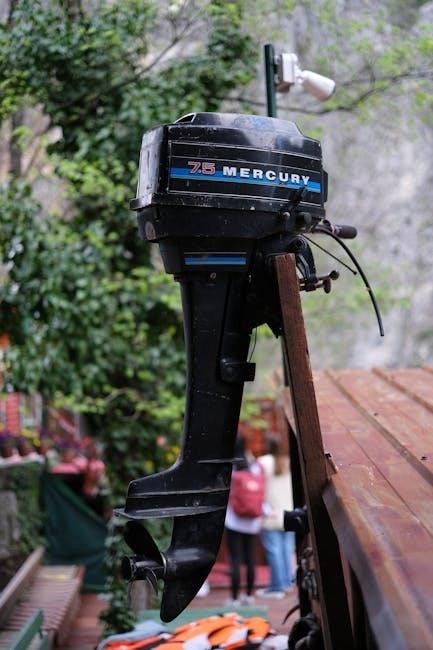
The cooling system, detailed in the manual, requires inspection of the water pump, thermostat, and a flush to prevent overheating and ensure optimal engine function.
Water Pump Inspection and Replacement
Regular inspection of the water pump is vital for preventing engine overheating. The Mercury outboard service manual provides detailed steps for disassembly, inspection of the impeller for wear or damage (cracks, missing vanes), and housing for corrosion. Replacing the impeller is a scheduled maintenance item, typically annually or as indicated by performance.
During reassembly, lubrication of the pump components with marine grease is essential. Ensure proper alignment of the impeller within the housing for optimal water flow. The manual emphasizes the importance of using the correct replacement parts, specifically designed for your Mercury outboard model. A failing water pump can cause significant engine damage, making preventative maintenance crucial for long-term reliability and avoiding costly repairs.
Thermostat Replacement
The Mercury outboard service manual details the procedure for thermostat replacement, a key component in regulating engine temperature. A malfunctioning thermostat can lead to overheating or inefficient engine operation. The manual guides you through locating the thermostat housing, typically near the engine block, and removing the old thermostat.
Before installing the new thermostat, inspect the gasket surface for any damage or corrosion. Apply a thin layer of marine sealant to the new gasket to ensure a watertight seal. The manual specifies the correct operating temperature for your engine model, ensuring the replacement thermostat is the appropriate type. Proper thermostat function is critical for maintaining optimal engine performance and preventing potential damage from extreme temperatures.
Cooling System Flush
A regular cooling system flush, as detailed in the Mercury outboard service manual, is vital for removing accumulated salt, sediment, and corrosion. This process prevents overheating and extends the life of critical engine components. The manual outlines the steps, typically involving disconnecting the cooling system hoses and utilizing a flushing attachment connected to a freshwater source.
It is crucial to follow the manual’s instructions regarding the flushing duration and the use of appropriate flushing solutions. After flushing, inspect the cooling passages for any blockages or signs of corrosion. Reconnect the hoses securely, ensuring proper sealing to prevent water intrusion. A clean cooling system ensures efficient heat dissipation, contributing to reliable engine performance and longevity.

Engine Component Inspection
Regular inspection of components—propeller, cylinder head, and powerhead—using the manual, identifies wear or damage, ensuring optimal performance and preventing costly repairs.
Propeller Inspection and Maintenance
Consistent propeller checks are vital for efficient operation. Begin by visually inspecting the blades for any signs of damage, including bends, cracks, or chipping – even minor imperfections can significantly impact performance. Refer to your Mercury outboard service manual for specific tolerances regarding blade condition. Carefully examine the hub for corrosion or wear, ensuring a secure connection to the shaft.
Furthermore, check for any loose or missing hardware, such as shear pins or retaining nuts. Replace any damaged or worn components immediately. Regularly cleaning the propeller removes marine growth and debris, maintaining optimal thrust. The manual will detail the correct procedure for propeller removal and installation, emphasizing the importance of proper torque specifications to prevent damage or failure. Addressing these points proactively ensures safe and efficient boating.
Cylinder Head Inspection
Thorough cylinder head inspection is crucial during major engine overhauls, as detailed in the Mercury outboard service manual. Begin by visually examining the head for cracks, particularly around the combustion chambers and valve seats. Look for signs of overheating, such as discoloration or warping. A straightedge can help detect any surface irregularities.
Valve inspection is equally important; check valve seats for pitting or wear, and ensure valves seal properly when closed. The manual provides specifications for valve clearances and guides for proper adjustment. Inspect the head gasket surfaces for damage or corrosion, ensuring a clean and smooth mating surface. Replacing a damaged cylinder head or gasket is essential to maintain compression and prevent coolant or oil leaks, ultimately preserving engine performance and reliability.
Powerhead Inspection
A comprehensive powerhead inspection, guided by the Mercury outboard service manual, is vital for identifying internal engine issues. Begin by checking for external damage, such as cracks or corrosion on the block and cylinder walls. Remove the cylinder head to inspect the pistons, connecting rods, and crankshaft for wear or damage. Look for scoring on the cylinder walls, indicating potential piston or ring problems.
The manual details specific tolerances for piston-to-wall clearance and crankshaft journal dimensions. Inspect the bearings for wear and ensure proper lubrication. Check the water passages for blockages, which can lead to overheating. Addressing any issues found during the powerhead inspection is crucial for restoring engine power and preventing catastrophic failure, ensuring long-term reliability.