Potato bag instructions are crucial for preserving quality and ensuring efficient handling. These guidelines cover everything from selection to storage, vital for optimal results.
What are Potato Bags?
Potato bags are specialized containers designed for the storage and transportation of potatoes, safeguarding them from damage and spoilage. Constructed from various materials – woven polypropylene, paper, or burlap – they offer ventilation and protection. These bags come in diverse sizes, catering to different potato quantities and handling needs. Proper bag selection impacts potato shelf life and minimizes loss during distribution. Understanding bag specifications is key to maintaining potato quality throughout the supply chain, ensuring freshness for consumers.
Why Use Potato Bags?
Potato bags offer numerous benefits, primarily protecting potatoes from bruising, contamination, and moisture loss during handling and transit. They facilitate efficient stacking and transportation, optimizing storage space and reducing logistical costs. Utilizing appropriate bags maintains potato quality, extending shelf life and minimizing waste. Proper ventilation prevents condensation, inhibiting rot. Bags also enable clear labeling for traceability and compliance with food safety regulations, ensuring product integrity from farm to market.
Types of Potato Bags
Potato bags come in diverse materials: woven polypropylene, paper, and burlap. Each type offers unique advantages regarding cost, breathability, and strength.
Woven Polypropylene Potato Bags
Woven polypropylene bags are a popular choice due to their durability and cost-effectiveness. These bags are constructed from strong, interwoven plastic strands, providing excellent resistance to tearing and puncturing during handling and transport. They are often coated to offer some moisture resistance, protecting the potatoes inside. Polypropylene bags are frequently used for larger volumes and are easily customizable with printing for branding or informational labeling. Their reusability also contributes to their appeal, making them a sustainable option when properly maintained.
Paper Potato Bags
Paper potato bags offer a more breathable option, crucial for maintaining potato freshness and preventing moisture buildup. Typically constructed from multi-layered kraft paper, they provide decent strength for smaller quantities. While less durable than polypropylene, paper bags are biodegradable and compostable, appealing to environmentally conscious consumers. They are often used for retail packaging, allowing customers to easily see the product. However, paper bags offer limited protection against punctures and are best suited for careful handling and shorter transport distances.
Burlap Potato Bags
Burlap potato bags, woven from jute fibers, provide excellent ventilation, essential for preventing condensation and potato spoilage. Historically popular, they offer a rustic aesthetic and are reusable, contributing to sustainability. However, burlap is relatively coarse and can leave residue on potatoes. While strong, they aren’t waterproof and offer limited protection against pests. Burlap bags are best suited for dry storage and shorter-term use, requiring careful handling to avoid tearing or fiber shedding during transport and filling.
Understanding Potato Bag Specifications
Potato bag specifications – size, weight capacity, and material strength (GSM) – are vital considerations. Selecting the correct bag ensures product protection and efficient handling.
Bag Size and Capacity
Potato bag size and capacity directly impact transportation efficiency and storage optimization. Common sizes range from 5kg to 50kg, influencing handling logistics. Larger bags reduce per-unit packaging costs but require more physical strength to manage. Capacity must align with potato variety and intended market – retail versus wholesale. Accurate sizing minimizes wasted space during stacking and transit, contributing to overall cost savings and reduced potential for damage. Selecting the appropriate dimensions is paramount for a streamlined supply chain.
Weight Capacity
Potato bag weight capacity is a critical safety and logistical consideration. Exceeding the stated limit risks bag rupture, product loss, and potential worker injury. Capacity varies based on material and construction; polypropylene typically handles higher loads. Regularly inspect bags for wear and tear, reducing capacity if compromised. Accurate weighing during filling is essential, alongside adherence to legal weight restrictions for transport. Proper weight distribution within the bag also contributes to stability and prevents uneven stress.
Material Strength & GSM (Grams per Square Meter)
Potato bag material strength, measured in GSM, dictates durability and suitability. Higher GSM indicates a denser, stronger material, resisting tears and punctures. Polypropylene bags commonly range from 50-150 GSM, while burlap offers natural strength. Consider the potato variety – heavier potatoes require higher GSM. Regularly assess bag integrity during filling and transport. Selecting appropriate GSM minimizes product loss and maintains packaging integrity throughout the supply chain, ensuring safe delivery.
Filling Your Potato Bag
Proper filling techniques are essential for maintaining potato quality and bag integrity. Gentle handling and controlled filling prevent bruising and damage during packaging.
Proper Potato Handling Techniques
Gentle handling is paramount when preparing potatoes for bagging. Avoid dropping or throwing potatoes, as this causes bruising and reduces market value. Utilize conveyor systems or employ careful manual lifting techniques. Inspect potatoes for damage before bagging, removing any with cuts, blemishes, or signs of disease. This prevents spoilage from spreading within the bag. Minimize the distance potatoes travel to reduce impact. Prioritize a smooth, consistent flow during the filling process to maintain quality and minimize handling stress.
Optimal Filling Levels
Achieving correct fill levels is critical for bag integrity and transport efficiency. Do not overfill bags, as this increases the risk of tearing and complicates stacking. Leave sufficient headroom – typically 5-10% of the bag’s capacity – to allow for settling during transit. Underfilling can lead to product shifting and potential damage. Consistent filling ensures uniform weight distribution, improving pallet stability and reducing the likelihood of bag rupture during handling and storage.
Avoiding Damage During Filling
Preventing damage during filling requires careful attention to potato handling and equipment. Avoid dropping potatoes from excessive heights, as this causes bruising and potential skin damage. Ensure filling chutes are properly aligned and cushioned to minimize impact. Regularly inspect conveyor belts and filling machinery for sharp edges or protrusions. Gentle handling preserves potato quality and reduces bag puncture risks, maintaining product marketability and minimizing waste.
Sealing and Closing the Potato Bag
Proper sealing is vital for maintaining freshness and preventing spillage. Secure closures—sewn, tied, or glued—protect contents during storage and transportation effectively.
Bag Closure Options: Sewn, Tied, or Glued
Selecting the right closure depends on bag material and handling needs. Sewn closures offer superior strength and are ideal for heavier loads and long-term storage, requiring specialized equipment. Tied closures, using twine or string, are cost-effective for lighter weights but may compromise security. Glued closures, utilizing adhesive tapes, provide a quick seal but are less durable and suitable for shorter transit times or lighter produce. Consider the weight, transport distance, and storage duration when choosing the optimal method for a secure and reliable seal.
Importance of a Secure Seal
A secure seal is paramount for maintaining potato quality and preventing losses. It safeguards against moisture loss, pest infestation, and contamination during storage and transportation. A compromised seal can lead to sprouting, rotting, and reduced market value. Proper sealing preserves the bag’s internal atmosphere, extending shelf life and protecting the product’s integrity. Regularly inspect seals for damage, ensuring they remain intact throughout the supply chain to uphold food safety standards and minimize economic setbacks.
Checking for Air Leaks
Thoroughly inspect sealed potato bags for any signs of air leakage. A simple method involves submerging the sealed portion in water and observing for escaping bubbles. Listen closely for hissing sounds, indicating compromised seals. Visually examine seams and closures for gaps or weaknesses. Addressing leaks promptly prevents moisture ingress, inhibiting spoilage and maintaining product freshness; Regular leak checks are essential for preserving potato quality during storage and transit, minimizing potential losses.
Labeling and Identification
Proper labeling of potato bags is essential, including weight, grade, and origin; Traceability via barcodes or QR codes enhances supply chain management.
Required Labeling Information (Weight, Grade, Origin)
Accurate labeling on potato bags is legally mandated and vital for commerce. Regulations necessitate clear indication of net weight, typically in kilograms or pounds, ensuring fair trade practices. Potato grade, reflecting quality standards (e.g., US No. 1), must be prominently displayed.
Origin details – the country or region where potatoes were grown – are also crucial for traceability and consumer information. This data aids in identifying potential issues and managing recalls effectively, bolstering food safety protocols.
Using Labels for Traceability
Labels are key to potato traceability, enabling swift identification of source and handling history. Beyond basic weight and origin, lot codes on potato bags allow tracking throughout the supply chain – from farm to consumer. This system is invaluable during food safety concerns, facilitating targeted recalls and minimizing impact.
Detailed records linked to these codes pinpoint harvest dates, storage conditions, and transportation routes, enhancing accountability and quality control within the potato industry.
Barcoding and QR Codes
Integrating barcoding and QR codes onto potato bags revolutionizes inventory management and traceability; Barcodes offer rapid scanning at each stage – packing, shipping, and retail – streamlining processes and reducing errors. QR codes take it further, storing extensive data accessible via smartphone.
This data can include origin, grade, pesticide use, and even temperature logs, providing consumers with transparency and bolstering food safety protocols throughout the potato supply chain.
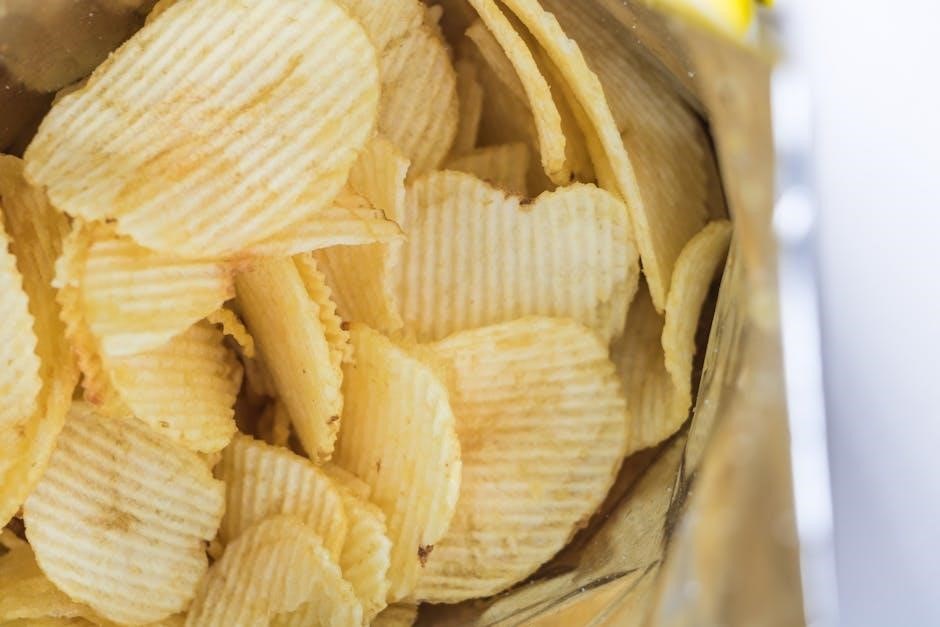
Storage and Transportation of Potato Bags
Proper storage and transport are essential for maintaining potato quality. Stacking procedures, temperature control, and damage prevention are key considerations.
Proper Stacking Procedures
Effective stacking minimizes damage and maximizes space utilization. Bags should be stacked squarely, creating stable layers to prevent collapses. Avoid excessively high stacks, considering bag weight and material strength. Interlocking layers can enhance stability, while leaving space for ventilation is crucial. Regularly inspect stacks for shifting or compromised bags, addressing issues promptly to prevent widespread loss and maintain product integrity throughout the storage and transportation process.
Temperature and Humidity Control
Maintaining optimal conditions is vital for potato preservation. Ideal storage temperatures range between 45-55°F (7-13°C) to minimize sprouting and decay. Humidity should be kept around 85-95% to prevent weight loss and shriveling. Consistent monitoring with calibrated instruments is essential. Proper ventilation prevents moisture buildup, reducing the risk of fungal diseases and ensuring potatoes remain marketable for extended periods, safeguarding quality and reducing waste.
Protecting Bags from Damage During Transit
Secure loading and careful handling are paramount during transportation. Palletizing and shrink-wrapping bags offer stability and protection against shifting. Avoid stacking excessively high to prevent bottom bags from crushing. Utilize proper lifting techniques to minimize punctures or tears. Inspect bags regularly for damage throughout the journey, addressing issues promptly to maintain product integrity and reduce potential losses during delivery.
Safety Considerations
Prioritize manual handling safety and bag rupture prevention. Dust control measures, alongside respiratory protection, are essential when handling potato bags for worker well-being.
Manual Handling Safety
Proper lifting techniques are paramount when dealing with potato bags. Employees should bend their knees, keep their backs straight, and avoid twisting motions to prevent injuries. Team lifting is recommended for heavier loads, distributing the weight effectively.
Regular training on safe handling procedures is crucial, emphasizing the importance of assessing bag weight before lifting.
Appropriate footwear and gloves enhance grip and minimize the risk of slips or abrasions, contributing to a safer working environment.
Avoiding Bag Ruptures
Preventing bag ruptures is essential for minimizing product loss and maintaining hygiene. Avoid dragging bags across abrasive surfaces, as this weakens the material. Ensure proper filling levels, preventing overstuffing which stresses seams.
Inspect bags for pre-existing damage before use, discarding any compromised ones. Careful stacking, avoiding sharp objects, and gentle handling during transport are also vital preventative measures. Regular monitoring during storage helps identify potential issues early.
Dust Control and Respiratory Protection
Potato handling can generate significant dust, posing respiratory risks. Adequate ventilation is crucial in bagging areas to minimize airborne particles. Workers should utilize properly fitted N95 respirators or masks, especially during filling and handling operations.
Regular cleaning prevents dust accumulation. Implementing dust suppression techniques, like light misting, can further reduce exposure. Prioritize worker safety through training and consistent protective equipment use.
Potato Bag Regulations and Standards
Potato bag instructions must adhere to food safety, weight/measurement, and environmental regulations. Compliance ensures legal operation and product integrity throughout the supply chain.
Food Safety Regulations
Potato bag instructions relating to food safety are paramount. Regulations dictate materials must be food-grade, preventing contamination. Bags should protect potatoes from pests and physical damage during transport and storage. Proper labeling, detailing origin and grade, is essential for traceability. Adherence to these standards minimizes risks, ensuring consumer health and maintaining industry credibility. Regular audits and compliance checks are often required to verify adherence to these crucial guidelines, safeguarding the entire potato supply chain.
Weight and Measurement Standards
Potato bag instructions must align with strict weight and measurement standards. Regulations specify allowable tolerances for bag weight, ensuring fair trade practices. Accurate labeling, displaying net weight in kilograms or pounds, is legally required. Consistent measurement prevents disputes and protects both buyers and sellers. Compliance involves calibrated scales and regular inspections. These standards guarantee transparency and build trust within the potato industry, upholding market integrity and consumer confidence.
Environmental Regulations
Potato bag instructions increasingly consider environmental impact. Regulations promote the use of recyclable or biodegradable bag materials, reducing plastic waste. Proper disposal guidelines are essential, encouraging responsible recycling programs. Manufacturers face scrutiny regarding bag production’s carbon footprint. Compliance involves utilizing sustainable sourcing and minimizing environmental harm. Adhering to these regulations demonstrates corporate social responsibility and supports a greener potato industry, fostering long-term sustainability and ecological balance.
Troubleshooting Common Issues
Potato bag instructions often require addressing tears, spoilage, or weight discrepancies. Quick identification and correction of these problems maintain product quality and efficiency.
Bag Tearing or Puncturing
Potato bag instructions emphasize careful handling to prevent damage. Tearing or puncturing often results from sharp potato protrusions, overfilling, or rough handling during transport and stacking. Inspect bags regularly for weaknesses. Utilize appropriate pallet wrapping techniques to stabilize loads and minimize friction.
Consider increasing bag GSM (grams per square meter) for enhanced durability, especially with heavier potato varieties. Promptly repair small tears with strong tape to avoid larger issues and product loss.
Potato Spoilage Due to Improper Bagging
Potato bag instructions highlight the importance of ventilation to prevent spoilage. Improper bagging, leading to moisture buildup, encourages rot and mold growth. Ensure potatoes are dry before bagging and avoid overfilling, which restricts airflow.
Select breathable bag materials like woven polypropylene or burlap. Regularly check stored bags for signs of decay, and maintain optimal temperature and humidity levels as outlined in storage guidelines to extend shelf life.
Incorrect Weight or Labeling
Potato bag instructions emphasize accurate weight and labeling for legal compliance and traceability. Incorrect weight declarations can lead to penalties and disputes. Labels must clearly display weight, grade, and origin, adhering to food safety regulations.
Utilize calibrated scales and verify labeling information before dispatch. Implementing barcoding or QR codes streamlines tracking and minimizes errors, ensuring transparency throughout the supply chain and maintaining consumer trust.
Where to Purchase Potato Bags
Potato bag instructions suggest sourcing from online retailers, agricultural supply stores, or directly from manufacturers for varied options and competitive pricing.
Online Retailers
Potato bag instructions emphasize that numerous online retailers specialize in packaging supplies, offering a broad selection of potato bags. Platforms like Amazon, Alibaba, and specialized packaging websites provide diverse materials, sizes, and quantities. Comparing prices and reading customer reviews is vital before purchasing. Consider shipping costs and delivery times when making your decision, ensuring the bags arrive promptly for harvest season. Online options often provide convenience and competitive pricing, streamlining the procurement process.
Agricultural Supply Stores
Potato bag instructions highlight that local agricultural supply stores are excellent resources for purchasing potato bags. These stores often cater specifically to farmers and growers, offering durable and appropriate bag options. You’ll benefit from expert advice regarding suitable materials and sizes for your potato variety and storage needs. Supporting local businesses fosters community ties and provides personalized service, ensuring you receive the best bags for your operation.
Direct from Manufacturers
Potato bag instructions emphasize sourcing directly from manufacturers can yield cost savings, particularly for large-scale operations. This approach allows for customization of bag specifications – size, material, printing – to precisely match your requirements. Establishing a direct relationship often provides access to the newest bag technologies and bulk discounts. However, minimum order quantities may apply, so assess your needs carefully before contacting manufacturers.
The Future of Potato Bag Technology
Potato bag instructions will evolve with biodegradable materials, smart sensors monitoring conditions, and innovative designs enhancing efficiency and reducing environmental impact.
Biodegradable and Compostable Bags
Potato bag instructions are shifting towards eco-friendly options. Biodegradable and compostable bags represent a significant advancement, reducing plastic waste and promoting sustainability. These materials break down naturally, minimizing environmental impact. Proper composting requires specific conditions; follow local guidelines for disposal.
Future potato bag instructions will detail composting procedures, ensuring responsible end-of-life management. This aligns with growing consumer demand for sustainable packaging solutions within the agricultural sector.
Smart Packaging with Sensors
Potato bag instructions are evolving with technology. Smart packaging integrates sensors to monitor conditions during transit and storage. These sensors track temperature, humidity, and even ethylene levels, indicators of potato quality. Real-time data transmission allows for proactive intervention, minimizing spoilage. Future potato bag instructions will include sensor data interpretation and alert protocols. This innovation enhances traceability and optimizes the supply chain, reducing waste and improving efficiency.
Improved Bag Designs for Efficiency
Potato bag instructions benefit from ongoing design improvements. New bag shapes optimize palletization and stacking, maximizing storage space and reducing transportation costs. Enhanced ventilation systems minimize condensation, preventing spoilage. Ergonomic handles improve manual handling safety and efficiency for workers following potato bag instructions. Durable materials reduce tearing and loss during handling. Future designs will focus on automation compatibility and streamlined filling/emptying processes, boosting overall productivity.