Triazolam for Dental Procedures: A Comprehensive Guide
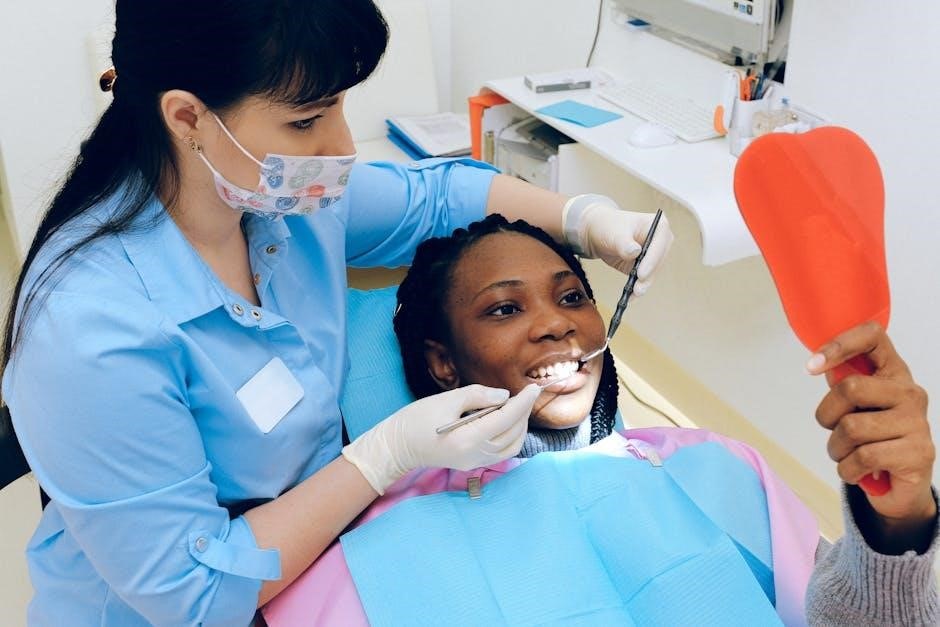
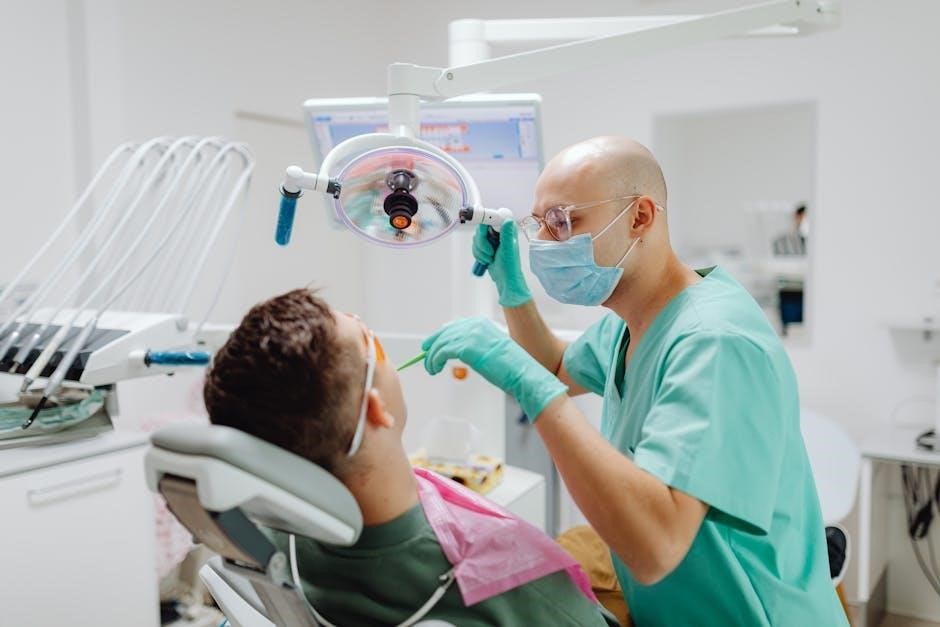
Triazolam, a short-acting benzodiazepine, is frequently utilized in dentistry to manage patient anxiety, often inducing amnesia and sedation for a comfortable experience.
What is Triazolam?
Triazolam, commonly known by the brand name Halcion, is a potent, short-acting benzodiazepine medication primarily prescribed for the short-term treatment of insomnia. However, its anxiolytic (anti-anxiety) properties make it a valuable tool in dentistry for patients experiencing significant dental anxiety or fear. Dentists routinely employ triazolam for oral conscious sedation, allowing patients to remain awake but deeply relaxed during procedures.
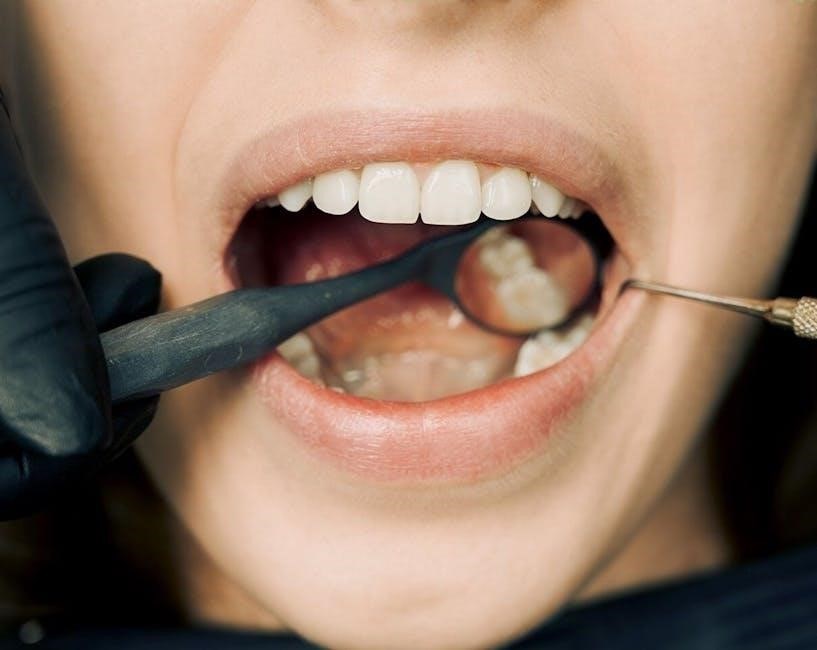
Unlike some other sedatives, triazolam has a relatively quick onset and a short duration of action, minimizing lingering drowsiness post-procedure. This characteristic is particularly beneficial for dental settings, where patients need to regain alertness relatively quickly. The medication works by enhancing the effects of gamma-aminobutyric acid (GABA), a neurotransmitter that inhibits brain activity, leading to a calming effect. A notable side effect, often welcomed by patients, is amnesia – a reduced recall of the dental procedure itself.
How Triazolam Works for Dental Anxiety
Triazolam’s effectiveness in managing dental anxiety stems from its impact on the central nervous system. As a benzodiazepine, it potentiates the effects of GABA, a neurotransmitter responsible for reducing neuronal excitability throughout the brain and body. This enhancement leads to a calming effect, diminishing feelings of fear, apprehension, and stress associated with dental procedures.
Specifically, triazolam reduces activity in the amygdala, the brain region involved in processing emotions like fear. Simultaneously, it increases activity in areas promoting relaxation. The resulting state allows patients to undergo treatment with significantly less distress. Furthermore, the induced amnesia – a common side effect – contributes to a more positive experience by minimizing conscious recollection of the procedure itself. This combination of anxiolytic and amnestic effects makes triazolam a preferred choice for many dentists addressing patient anxiety.
Pre-Appointment Instructions: Preparation is Key
Prior to receiving triazolam for your dental procedure, meticulous preparation is crucial for safety and efficacy. Your dentist will thoroughly review your medical history, including all current medications, to identify potential interactions. Disclosing all prescriptions, over-the-counter drugs, and supplements is paramount. Expect detailed instructions regarding dietary restrictions, typically involving fasting for a specific period – often 6-8 hours – before your appointment to minimize the risk of nausea or aspiration.
It’s essential to understand that triazolam significantly impairs cognitive and motor functions. Therefore, arranging for a responsible adult to accompany you home and remain with you for at least 24 hours post-procedure is non-negotiable. Avoid alcohol and other sedatives in the days leading up to, and following, treatment. Adhering to these guidelines ensures a safe and comfortable experience.
Dietary Restrictions Before Taking Triazolam
Strict adherence to pre-appointment dietary guidelines is vital when preparing for triazolam sedation. Typically, patients are instructed to abstain from eating or drinking anything – including water – for a minimum of six to eight hours before their scheduled dental procedure. This restriction minimizes the risk of nausea, vomiting, and potential aspiration during sedation. The empty stomach ensures the medication is absorbed effectively and reduces the likelihood of complications.
Even seemingly minor consumption, like a small snack or a sip of juice, can interfere with the drug’s efficacy and safety profile. Your dentist will provide precise fasting instructions tailored to your specific case. It’s crucial to clarify any uncertainties regarding permissible substances or timing. Following these dietary restrictions diligently contributes significantly to a smooth and secure experience.
Medication Interactions to Disclose
Comprehensive disclosure of all medications, supplements, and herbal remedies is paramount before receiving triazolam for dental procedures. Triazolam can interact dangerously with various substances, potentially amplifying its sedative effects or causing adverse reactions. Specifically, avoid combining triazolam with other central nervous system depressants like opioids, antihistamines, alcohol, or benzodiazepines.
Inform your dentist about any pre-existing medical conditions, particularly respiratory issues, liver or kidney problems, or a history of mental health concerns. Certain medications, even over-the-counter drugs, can significantly alter triazolam’s metabolism and impact its safety. Failing to disclose this information could lead to unpredictable and potentially life-threatening consequences. Accurate and complete medication history ensures a safe and effective sedation experience.
Dosage and Administration in a Dental Setting
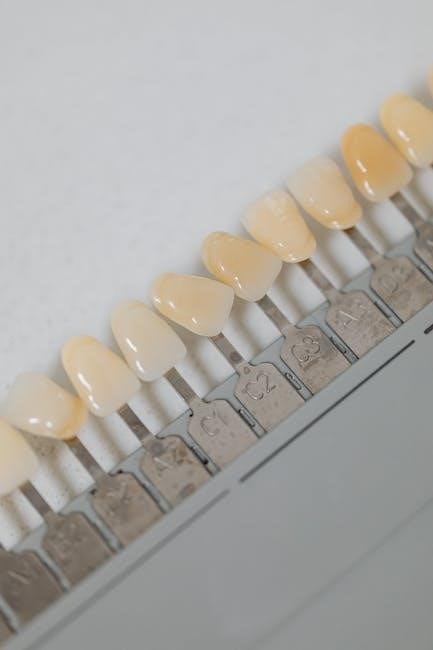
Triazolam dosage for dental procedures is highly individualized, determined by factors like patient weight, age, anxiety level, and overall health. Typically, a single oral dose – ranging from 0.25mg to 0.5mg – is administered approximately 20-30 minutes before the scheduled appointment; Dentists carefully assess each patient to establish the lowest effective dose, minimizing potential side effects.
Administration involves a simple oral tablet taken with a small amount of water. Vital signs are continuously monitored throughout the procedure, ensuring patient safety and comfort. The dentist and dental team are trained to manage any adverse reactions that may occur. Post-procedure, patients remain under observation until the initial sedative effects begin to subside, allowing for a safe recovery.
Common Side Effects of Triazolam
Triazolam, while effective, can induce several common side effects. Drowsiness and sedation are frequently experienced, as the medication’s primary function is to calm the central nervous system. Many patients report amnesia, often considered a beneficial effect as it minimizes recollection of the dental procedure itself. This memory lapse is typically temporary and resolves as the drug wears off.
Other potential side effects include dizziness, lightheadedness, and impaired coordination. These effects usually subside within a few hours post-treatment. It’s crucial for patients to be aware of these possibilities and arrange for appropriate post-operative care, including a responsible adult for transportation. While generally mild, these side effects should be communicated to the dentist.
Amnesia: A Frequent and Often Desired Effect
Amnesia is a remarkably common side effect of triazolam administration in a dental setting, and frequently, it’s viewed positively by both patients and practitioners. This anterograde amnesia specifically impacts the formation of new memories during the procedure, meaning patients often have little to no recollection of the sights, sounds, or sensations experienced.
Dr. Kim Capehart noted that patients often appreciate not remembering the dental work. This effect can significantly reduce anxiety surrounding future appointments, as the negative experience isn’t vividly stored in memory. However, it’s important to understand that amnesia is temporary, and memories typically return as the medication’s effects diminish. Dentists routinely inform patients about this potential side effect before administration.
Drowsiness and Sedation Levels
Triazolam induces varying levels of drowsiness and sedation, dependent on dosage, individual patient factors, and concurrent medications. Patients typically experience a calming effect, ranging from mild relaxation to a deeper state of sleepiness. This sedation is crucial for minimizing anxiety and discomfort during dental procedures.
The goal is to achieve a level of sedation where the patient is responsive but significantly relaxed. It’s vital that patients understand they will feel sleepy and may have difficulty concentrating immediately following the procedure. Full alertness doesn’t return quickly, necessitating a responsible adult to provide transportation. Dentists carefully monitor sedation levels throughout the appointment, ensuring patient safety and comfort.
Rare but Serious Side Effects & Allergic Reactions
Although uncommon, serious side effects and allergic reactions to triazolam can occur, demanding immediate medical attention. These include anaphylaxis and angioedema, manifesting as swelling of the face, lips, tongue, or throat, alongside difficulty breathing. Such reactions are life-threatening and require emergency intervention.
Other rare, yet significant, adverse effects may include paradoxical reactions – agitation or increased anxiety instead of sedation – and, very rarely, hallucinations. Patients with a history of allergic reactions to benzodiazepines are at higher risk. Dentists meticulously screen patients for allergies and monitor for any signs of adverse reactions during and after administration. Prompt recognition and treatment are paramount to ensure patient safety.
Post-Procedure Care: Recovery and Monitoring
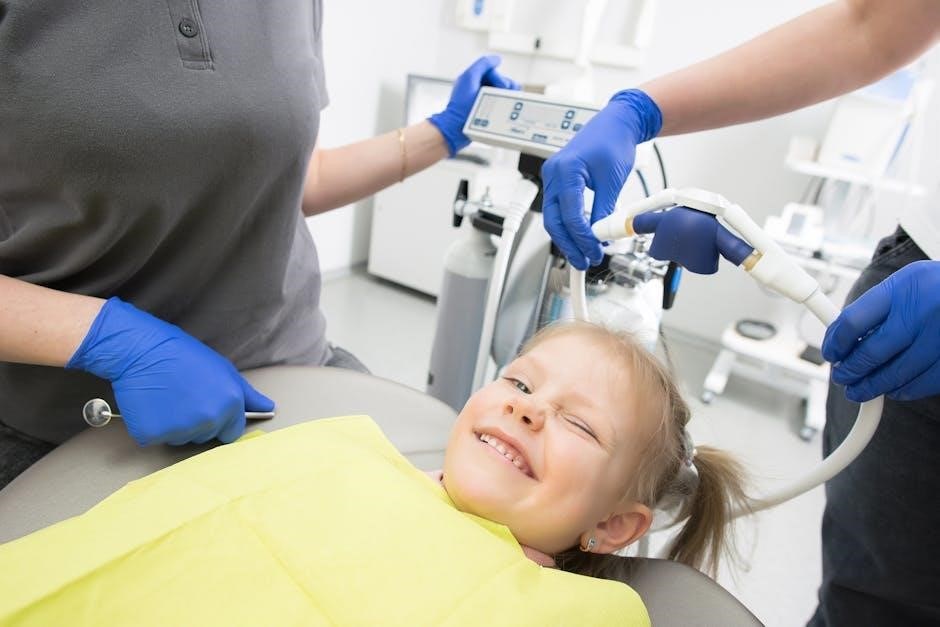
Following triazolam administration, careful post-procedure care is crucial for patient safety. Due to the drug’s sedative effects, arranging for responsible transportation – a friend, family member, or ride-sharing service – is mandatory; patients should not drive, operate machinery, or make important decisions for at least 24 hours.
Avoiding alcohol and other sedatives post-treatment is essential, as these can amplify the effects of triazolam, leading to dangerous respiratory depression. Patients should adhere to any specific dietary recommendations provided by their dentist. Dentists will monitor patients until they regain sufficient alertness and coordination before discharge, providing clear instructions regarding potential side effects and when to seek medical attention.
Arranging for Transportation After Treatment
Due to the significant sedative effects of triazolam, patients absolutely cannot drive themselves home after a dental procedure. This is a non-negotiable safety precaution. The medication impairs judgment, coordination, and reaction time, posing a serious risk to both the patient and others on the road.
Patients must pre-arrange for a responsible adult – a trusted friend or family member – to provide transportation. Alternatively, a reliable ride-sharing service or taxi can be utilized, but the accompanying adult must remain with the patient until they are fully recovered. It’s vital to emphasize this requirement during pre-appointment instructions to ensure a safe recovery process.
Avoiding Alcohol and Other Sedatives Post-Treatment
Following triazolam administration, it is critically important to abstain from alcohol and any other sedative medications – including over-the-counter sleep aids and antihistamines – for at least 24 hours, and ideally for 48 hours. Combining triazolam with these substances significantly amplifies the central nervous system depressant effects, leading to potentially dangerous consequences such as respiratory depression, profound sedation, and even coma.
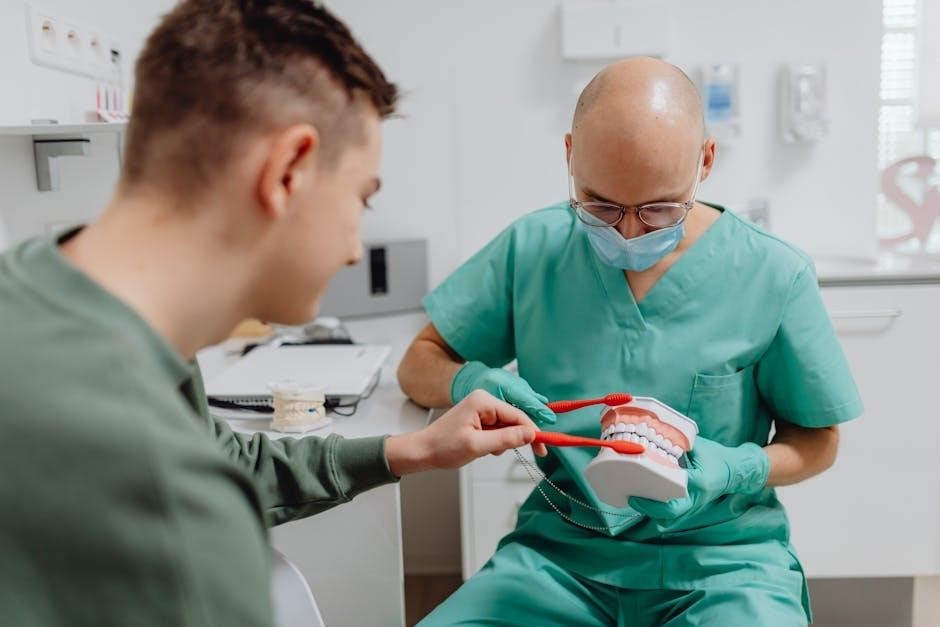
Patients should be explicitly informed about this restriction during their pre-operative instructions. Even seemingly harmless combinations can be hazardous. Caregivers accompanying the patient should also be aware of this precaution to ensure adherence and patient safety during the recovery period. Prioritize clear communication regarding potential interactions.
Triazolam and Patient Safety: Considerations for Dentists
Dentists prescribing triazolam must meticulously screen patients for pre-existing medical conditions, current medications, and potential drug interactions. A thorough medical history is paramount, focusing on respiratory issues, liver or kidney dysfunction, and any history of adverse reactions to benzodiazepines. Careful dosage adjustments are crucial, considering patient weight, age, and anxiety levels.
Appropriate monitoring equipment, including pulse oximetry, should be readily available during and immediately after the procedure. Staff must be trained to recognize and manage potential complications like respiratory depression or paradoxical reactions. Detailed post-operative instructions, emphasizing the need for a responsible adult escort and avoidance of alcohol, are essential for patient safety.
Triazolam for Children Undergoing Dental Work
Utilizing triazolam in pediatric dentistry requires heightened caution and precise dosage calculations based on the child’s weight and age, typically ranging from 39 to 81 months as observed in studies. Pre-treatment assessment of gait ataxia, visual acuity, and depth perception is vital to establish a baseline and monitor potential neurological effects. Parental consent and a detailed discussion of potential side effects, including amnesia, are mandatory.
Post-procedure, close observation is crucial, ensuring the child is adequately supervised by a responsible adult. Parents should be informed about the possibility of temporary behavioral changes or drowsiness. Maintaining a calm and reassuring environment throughout the process minimizes anxiety and promotes a positive dental experience for the young patient.
Hallucinations: A Rare Reported Side Effect
Although infrequent, hallucinations have been documented as a potential, albeit unusual, adverse reaction to triazolam administration. Case reports suggest this side effect, while rare, necessitates awareness among dental professionals and patients. The underlying mechanisms are not fully understood, but may involve individual susceptibility or interactions with other factors.
Patients experiencing hallucinations post-triazolam should immediately report these symptoms to their dentist or physician. Discontinuation of the medication and supportive care are typically recommended. Thorough medical history review, including any pre-existing psychiatric conditions, is crucial before prescribing triazolam to minimize the risk. Vigilant monitoring post-procedure can aid in early detection and management of this uncommon side effect.
Alternatives to Triazolam for Dental Anxiety
For patients experiencing dental anxiety, several alternatives to triazolam exist, offering varying levels of sedation and suitability. Nitrous oxide (laughing gas) provides mild sedation and is easily titratable, making it a popular choice for less severe anxiety. Oral sedation with medications like diazepam, while longer-acting, can be effective for moderate anxiety.
Non-pharmacological approaches also play a vital role. Cognitive Behavioral Therapy (CBT) and mindfulness techniques can equip patients with coping mechanisms to manage anxiety. Hypnosis and guided imagery offer relaxation strategies. The choice of alternative depends on the patient’s anxiety level, medical history, and preferences. A comprehensive discussion with the dentist is essential to determine the most appropriate and safe approach.
Understanding the Risks vs. Benefits
Triazolam offers significant benefits for patients with dental anxiety, primarily reducing fear and discomfort during procedures, often resulting in amnesia of the experience. This can improve treatment adherence and long-term oral health. However, potential risks must be carefully considered.
Side effects, though generally mild, can include drowsiness, dizziness, and impaired coordination. Rare but serious risks involve allergic reactions, including anaphylaxis, requiring immediate medical attention. The potential for cognitive impairment and dependence, though low with short-term use, exists. A thorough patient evaluation, including medical history and medication review, is crucial. Weighing the benefits of anxiety reduction against these potential risks, in collaboration with the dentist, is paramount for informed decision-making.
Legal and Ethical Considerations for Prescribing Triazolam
Dentists prescribing triazolam must adhere to strict legal and ethical guidelines. This includes possessing a valid DEA license to administer controlled substances and complying with state-specific regulations regarding benzodiazepine prescriptions. Thorough patient screening is essential, documenting medical history, current medications, and allergy information.
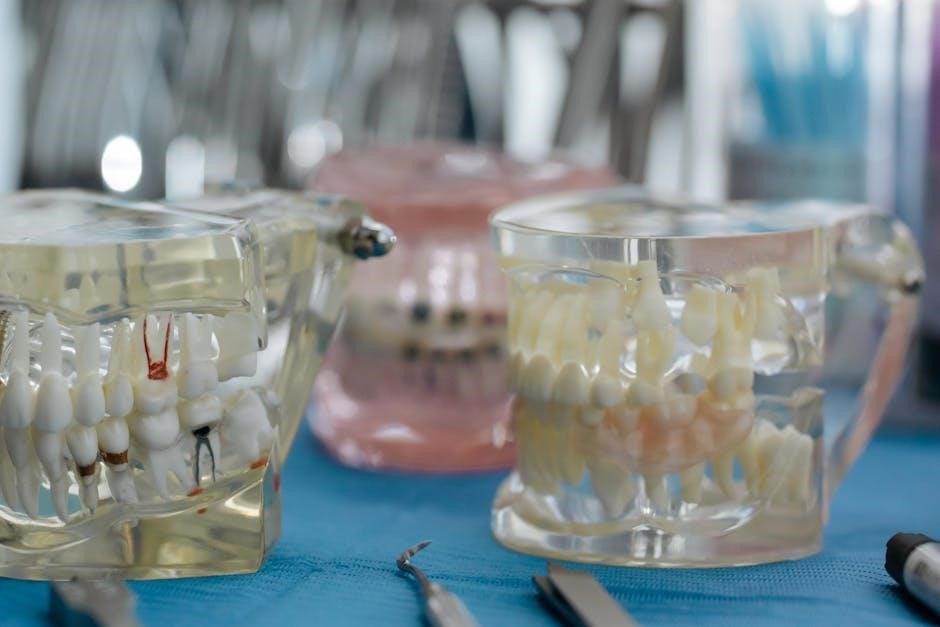
Informed consent is paramount; patients must understand the risks and benefits of triazolam, including potential side effects like amnesia and the necessity for a responsible adult to provide transportation post-procedure. Maintaining accurate patient records and avoiding over-prescription are crucial ethical obligations. Dentists should prioritize patient safety, considering alternative anxiety management techniques when appropriate, and remaining vigilant for signs of potential misuse or dependence.
Long-Term Effects of Triazolam Use (Related to Dental Anxiety Management)
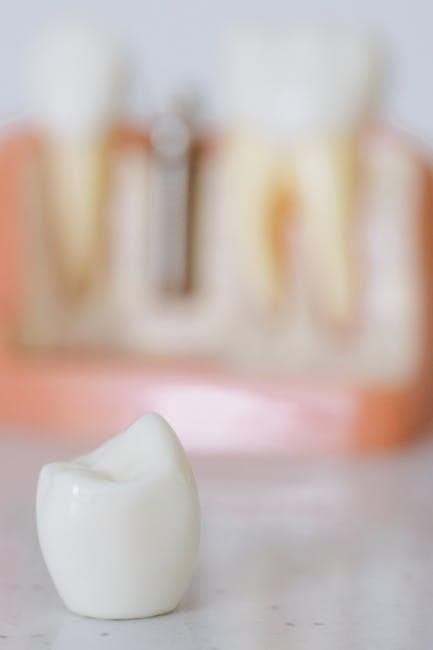
While triazolam is generally considered safe for short-term use in managing dental anxiety, long-term effects are less studied. Repeated use, even for dental procedures, can potentially lead to psychological dependence, though this is rare with infrequent, as-needed administration. Tolerance may develop, requiring higher doses for the same effect, increasing side effect risks.
More concerning is the potential for cognitive impairment with prolonged benzodiazepine use, impacting memory and psychomotor skills. However, in the context of dental anxiety management, where triazolam is used sporadically, these risks are minimized. Dentists should emphasize non-pharmacological anxiety reduction techniques to reduce reliance on medication and address the underlying fear contributing to dental avoidance.
When to Contact Your Doctor After Triazolam Administration
Prompt medical attention is crucial if you experience severe side effects post-triazolam administration. Seek immediate care for signs of a serious allergic reaction, including hives, difficulty breathing, or swelling of the face, lips, tongue, or throat – these could indicate anaphylaxis or angioedema.
Contact your physician if you experience prolonged or unusual drowsiness, confusion, or difficulty coordinating movements. Report any hallucinations or significant memory loss that extends beyond the expected amnesic effect. While amnesia is common, persistent cognitive issues warrant evaluation.
Furthermore, if you notice any changes in mood, such as increased depression or suicidal thoughts, inform your doctor immediately. Do not hesitate to reach out if you have any concerns regarding your physical or mental wellbeing following the procedure.
Resources for Patients with Dental Anxiety
Managing dental anxiety is achievable through various support systems. The American Dental Association (ADA) offers resources and tips for coping with fear and apprehension related to dental visits, accessible on their website (ada.org). Several organizations specialize in anxiety disorders, such as the Anxiety & Depression Association of America (ADAA), providing information and support networks (adaa.org).
Consider exploring cognitive behavioral therapy (CBT) techniques, often available through mental health professionals, to address underlying fears. Online resources and self-help guides can also offer valuable strategies for relaxation and stress reduction.
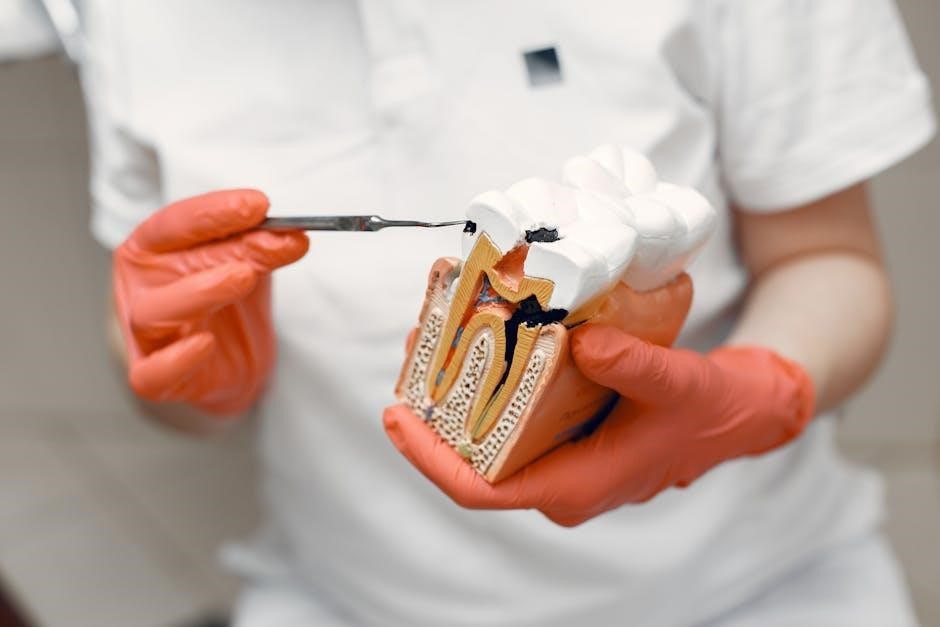
Discuss your anxieties openly with your dentist; they can tailor your experience to minimize discomfort. Support groups, both in-person and online, provide a safe space to share experiences and learn from others facing similar challenges. Remember, seeking help is a sign of strength.