
Kenmore Refrigerator Troubleshooting Manual: A Comprehensive Guide
Navigating Kenmore refrigerator issues can be daunting, but this manual offers solutions for common problems, including cooling failures and ice maker malfunctions.
Understanding LG compressor specifics and French door model quirks is crucial for effective repairs, alongside safety precautions for DIY attempts.
Understanding Kenmore Refrigerators & Their Manufacturers
Kenmore, a widely recognized appliance brand primarily sold through Sears, doesn’t actually manufacture its refrigerators. Instead, Sears strategically partners with established appliance manufacturers to produce Kenmore-branded models. This means understanding the origin of your specific Kenmore refrigerator is vital for effective troubleshooting and sourcing replacement parts.
A significant portion of Kenmore refrigerators, particularly the higher-end “Elite” series, utilize components and designs from LG. This collaboration is frequently noted in repair discussions, as many compressors within Kenmore Elite refrigerators are, in fact, LG-made. Knowing this allows technicians to leverage LG-specific troubleshooting resources.
Historically, Frigidaire has also been a key manufacturing partner for Kenmore, especially for French door bottom freezer models. Identifying the original manufacturer helps pinpoint common failure points and access appropriate repair guides. Therefore, locating the model number and researching its manufacturing origin is the first step in any Kenmore refrigerator repair journey.
Kenmore Refrigerator Common Problems Overview
Kenmore refrigerators, while generally reliable, are prone to several recurring issues. Cooling inconsistencies represent a frequent complaint, manifesting as refrigerators not being cold enough or uneven temperature distribution. Ice maker malfunctions are also remarkably common, ranging from complete failure to produce ice to inconsistent ice production within the refrigerator compartment.
Beyond these, water dispenser problems – specifically, a lack of water dispensing – are frequently reported. Power supply issues, though less common, can halt operation entirely. More complex failures involve the compressor, start relay, evaporator fan motor, and condenser fan motor. Dirty condenser coils are a surprisingly frequent culprit behind cooling problems.
Ice buildup due to defrost system failures, temperature regulation issues stemming from faulty thermistors, and airflow problems caused by damper control malfunctions also require attention. Control board failures, door seal leaks, and blockages in the drain tube contribute to the spectrum of potential problems.
Cooling Issues: Refrigerator Not Cold Enough
A refrigerator failing to maintain adequate cooling is a common concern. Initial troubleshooting should focus on the condenser coils; accumulated dust significantly hinders heat dissipation, reducing cooling efficiency. Verify the evaporator fan motor is functioning correctly, as its operation is vital for circulating cold air throughout the refrigerator compartment.
Inspect the condenser fan motor to ensure it’s running and not obstructed. A faulty start relay or compressor can also cause insufficient cooling, though these are more complex issues. Check the door seals for air leaks – even small gaps compromise cooling performance. Temperature settings should be verified, ensuring they haven’t been accidentally adjusted.
Furthermore, a malfunctioning damper control can restrict airflow between the freezer and refrigerator sections. If the refrigerator light is on but cooling is absent, this points towards electrical or component failures. A telltale sign can be soot under the thermostat, indicating a potential issue with temperature regulation.
Freezer Issues: Freezer Not Cold Enough
When a Kenmore freezer isn’t adequately cold, several factors could be at play. Begin by checking for excessive frost buildup, indicating a potential defrost system failure. This system includes the defrost heater, timer, and thermostat – any malfunction disrupts the defrost cycle, leading to ice accumulation and reduced cooling.
Similar to refrigerator cooling issues, inspect the condenser coils for dirt and debris, and confirm the condenser fan motor is operational. A faulty evaporator fan motor within the freezer can also impede cold air circulation. Examine the door seals for proper sealing; compromised seals allow warm air to enter, impacting freezer temperature.
If the freezer runs constantly without reaching the set temperature, the compressor or start relay might be failing. For Kenmore Elite models utilizing LG compressors, specific troubleshooting related to those components may be necessary. A malfunctioning thermistor can also disrupt temperature regulation within the freezer.
Ice Maker Problems: No Ice Production
A Kenmore ice maker failing to produce ice is a frequent complaint. First, verify the ice maker is switched ‘on’ within the refrigerator’s control panel. Check the water supply line connected to the refrigerator; a kinked or frozen line will halt ice production. Inspect the water inlet valve for proper operation – it controls water flow to the ice maker.
If water reaches the ice maker, examine the ice maker module itself. A faulty ice maker module can prevent the freezing cycle from initiating. Frost buildup within the ice maker can also obstruct ice ejection. Ensure the freezer temperature is sufficiently cold; ice makers require consistent freezing conditions.
For models with a dispenser, a blocked water filter can restrict water flow. Consider the age of the filter and replace it if necessary. A common issue involves a frozen water line within the ice maker itself, requiring defrosting.
Water Dispenser Issues: No Water Dispensing
When your Kenmore refrigerator’s water dispenser stops working, the first step is to confirm the water supply is connected and turned on. A kinked or frozen water line is a common culprit, restricting water flow to the dispenser. Inspect the water filter; a clogged filter significantly reduces water pressure and can completely halt dispensing.
The water inlet valve, responsible for controlling water flow, should be checked for proper function. A faulty valve may not open to allow water through. Examine the dispenser’s solenoid – this component activates the water flow when the dispenser paddle is pressed. A defective solenoid won’t allow water to dispense.
Frozen water lines within the dispenser assembly can also cause issues, requiring defrosting. Check for any blockages in the water line leading to the dispenser. Finally, ensure the refrigerator is level, as an improper level can affect water flow.
Diagnosing Power Supply Problems
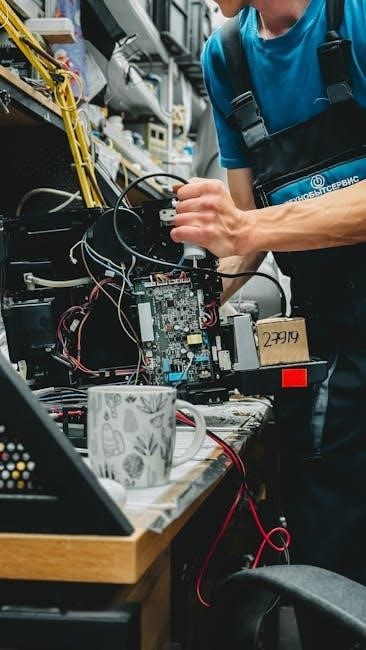
If your Kenmore refrigerator isn’t running, begin by verifying the power cord is securely plugged into a functioning outlet. Test the outlet with another appliance to confirm it’s receiving power. Check the household circuit breaker or fuse box; a tripped breaker or blown fuse will cut power to the refrigerator.
Inspect the refrigerator’s power cord for any visible damage, such as cuts or fraying. A damaged cord poses a safety hazard and needs replacement. The start relay and compressor are vital components; a faulty start relay can prevent the compressor from starting, even with power.
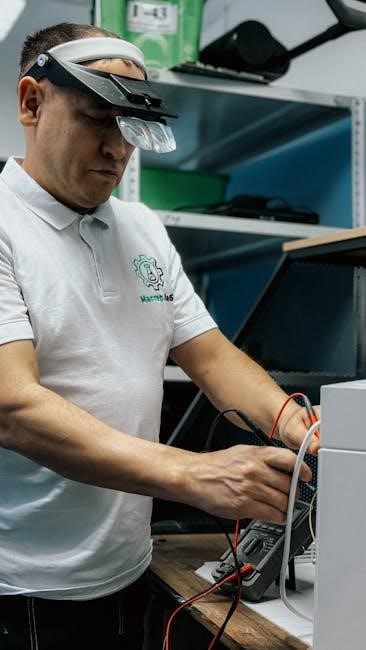
A multimeter can be used to test for voltage at the compressor. If voltage is present but the compressor isn’t running, the compressor itself may be defective. Be cautious when working with electrical components and always disconnect power before inspection. Remember safety precautions are paramount during diagnosis.
Faulty Start Relay & Compressor Issues
A failing compressor start relay is a frequent cause of Kenmore refrigerator failures, preventing the compressor from initiating. This relay provides the initial electrical surge needed to start the compressor motor. Testing the relay with a multimeter for continuity is crucial; a lack of continuity indicates a faulty relay needing replacement.
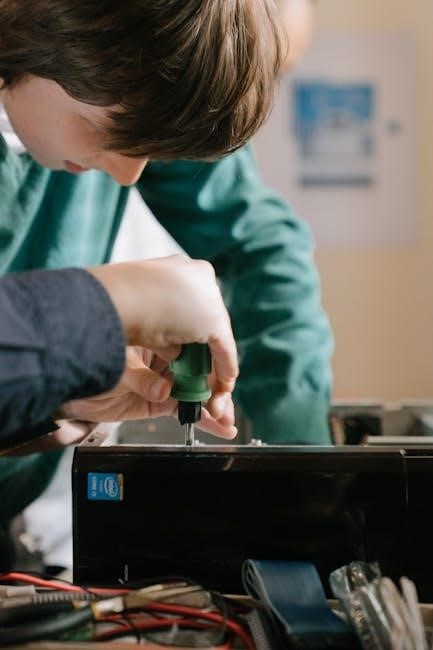
If the start relay tests good, the compressor itself may be the issue. Compressors can fail due to overheating, electrical shorts, or internal mechanical problems. Listen for unusual noises from the compressor – clicking, buzzing, or a complete lack of sound can indicate a problem.
Kenmore Elite models often utilize LG-made compressors, meaning parts compatibility should be considered. Compressor replacement is a complex task best left to qualified technicians due to refrigerant handling and electrical connections. Always prioritize safety when dealing with these components.
Evaporator Fan Motor Malfunctions
The evaporator fan motor circulates cold air throughout the refrigerator. If it fails, the fridge won’t cool effectively, even if the compressor is running. A common symptom is a lack of cold air despite the motor running, or complete silence from the freezer compartment.
To diagnose, access the evaporator fan (usually behind a panel in the freezer). Check for obstructions like ice buildup hindering the fan blades. Manually spin the fan; it should rotate freely. If it’s stiff or doesn’t turn, the motor is likely faulty.
Testing with a multimeter can confirm if the motor is receiving power. If power is present but the motor doesn’t run, replacement is necessary. Ensure the new motor is compatible with your Kenmore model. A malfunctioning evaporator fan can lead to frost accumulation and reduced cooling performance.
Condenser Fan Motor Failures
The condenser fan is vital for dissipating heat from the refrigerator’s condenser coils. A failing condenser fan motor results in overheating and reduced cooling efficiency. You might notice the compressor running constantly, but the fridge isn’t getting cold enough. Often, a humming sound may be present, but the fan blades aren’t spinning.
Locate the condenser fan, typically at the back of the refrigerator near the compressor. Inspect for obstructions blocking the fan blades. Try spinning the fan manually; resistance indicates a potential motor issue. Use a multimeter to verify the motor receives power.
If the motor isn’t receiving power, investigate wiring and the control board. If power is present but the motor remains inactive, replacement is required. A faulty condenser fan can cause the compressor to work harder, potentially leading to its premature failure.
Dirty Condenser Coils: A Common Cause
Dirty condenser coils are a remarkably frequent culprit behind reduced refrigerator performance. These coils release heat, and when covered in dust, pet hair, or debris, their efficiency plummets. This forces the compressor to work overtime, leading to higher energy bills and potential component failure. A warm refrigerator, despite the motor running, is a key symptom.
Locate the condenser coils – usually on the back of the refrigerator or at the bottom behind a grill. Always unplug the refrigerator before cleaning! Use a vacuum cleaner with a brush attachment to gently remove surface dust. For stubborn buildup, a condenser coil brush is highly recommended.
Regular cleaning, at least twice a year, is preventative maintenance. Ignoring this simple task can significantly shorten the lifespan of your Kenmore refrigerator and increase repair costs. A clean coil ensures optimal cooling and energy efficiency.
Defrost System Failures: Ice Buildup
Excessive ice buildup within your Kenmore refrigerator, particularly in the freezer, signals a potential defrost system failure. This system prevents ice accumulation on the evaporator coils, ensuring efficient cooling. Common components involved include the defrost timer, heater, and thermostat.
A malfunctioning defrost heater fails to melt the ice, while a faulty defrost thermostat won’t signal the heater to activate. A defective defrost timer may not initiate the defrost cycle at the correct intervals. Signs include frost covering food, reduced cooling capacity, and unusual noises.
Testing these components requires a multimeter and some technical knowledge. Always disconnect power before attempting any repairs! If you’re uncomfortable, consult a qualified appliance technician. Addressing defrost system issues promptly prevents further damage and restores optimal refrigerator performance.
Thermistor Problems & Temperature Regulation
Precise temperature regulation in your Kenmore refrigerator relies heavily on the thermistor – a temperature-sensitive resistor. This component sends temperature readings to the control board, which then adjusts cooling cycles. A faulty thermistor provides inaccurate data, leading to inconsistent temperatures: too warm or too cold.
Symptoms of a failing thermistor include food spoiling quickly, excessive frost buildup, or the refrigerator running constantly. Diagnosing a thermistor issue requires a multimeter to check its resistance at various temperatures. Compare readings to the manufacturer’s specifications.
Replacing a thermistor is generally straightforward, but always disconnect power first. Incorrect temperature readings can also stem from a malfunctioning control board, so testing the thermistor is the first step. Accurate temperature control is vital for food safety and energy efficiency.
Damper Control Issues: Airflow Problems
Proper airflow is essential for maintaining consistent temperatures throughout your Kenmore refrigerator. The damper control regulates the amount of cold air flowing between the freezer and the refrigerator compartments. Issues with the damper can lead to uneven cooling – a warm refrigerator and a cold freezer, or vice versa.
A malfunctioning damper might be stuck closed, restricting airflow, or stuck open, causing excessive cooling in the refrigerator section. Common causes include a faulty damper motor or a blockage within the damper assembly. Inspect the damper for obstructions and test the motor for continuity with a multimeter.
Replacing a faulty damper is often a manageable DIY task, but remember to disconnect power before starting. Addressing damper issues restores optimal airflow, ensuring food stays fresh and the refrigerator operates efficiently. Ignoring airflow problems can strain the compressor.
Control Board Malfunctions & Resetting
The control board acts as the refrigerator’s brain, managing all functions from temperature regulation to ice maker operation. Malfunctions can manifest as erratic behavior, complete shutdowns, or unresponsive controls. Diagnosing a faulty control board often requires a process of elimination, verifying other components are functioning correctly first.
Before assuming the control board is at fault, attempt a simple reset. Unplug the refrigerator for several minutes, then plug it back in. This can sometimes resolve minor software glitches. If the problem persists, visually inspect the board for burnt components or damage. Testing the board requires specialized knowledge and equipment.
Replacing the control board is often necessary for significant issues, but ensure you obtain the correct replacement part number for your specific Kenmore model; Improper installation or an incorrect board can cause further problems. Professional assistance is recommended for complex control board repairs.
Door Seal Problems: Air Leaks
Compromised door seals are a frequent cause of refrigerator inefficiency, leading to temperature fluctuations and increased energy consumption. Air leaks force the compressor to work harder, potentially shortening its lifespan. Inspect the seals regularly for cracks, tears, or gaps. A simple test involves closing the door on a piece of paper; if you can easily pull it out, the seal is likely compromised.
Cleaning the seals with warm, soapy water can sometimes restore their effectiveness by removing debris. However, significant damage usually necessitates replacement. Ensure you obtain the correct replacement seal for your Kenmore model. Proper installation is crucial; carefully align the new seal and press it firmly into place.
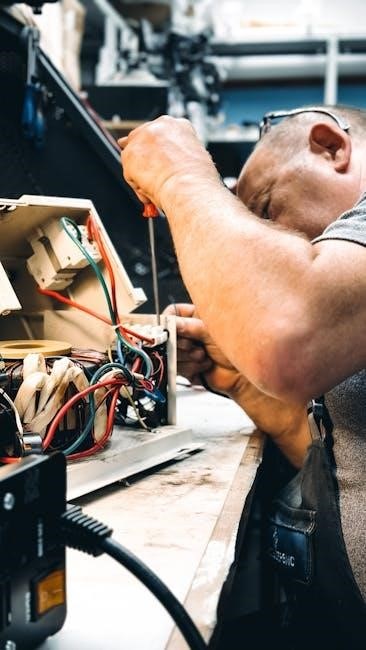
Addressing air leaks promptly improves refrigerator performance and reduces energy costs. Regularly checking and maintaining door seals is a simple preventative measure that can save you money and extend the life of your appliance.
Water Inlet Valve Issues
The water inlet valve controls the flow of water to the ice maker and water dispenser. If these features aren’t working, a faulty valve is a prime suspect. Symptoms include no ice production or water dispensing, even if the water supply is connected and turned on. Before assuming a valve failure, check the water supply line for kinks or freezing.
Testing the valve requires a multimeter to check for continuity. If there’s no continuity, the valve needs replacing. Disconnect power to the refrigerator before attempting any repairs. Accessing the valve typically involves removing the rear access panel. Carefully disconnect the water line and electrical connections.
Replacing the valve is a relatively straightforward repair for a DIY enthusiast. Ensure the new valve is compatible with your Kenmore model. Proper installation and reconnection of the water line are essential to prevent leaks.
Drain Tube Blockages & Leaks
A clogged drain tube is a frequent cause of water accumulation inside the refrigerator, often manifesting as puddles on the floor. This tube is responsible for channeling melted defrost water to a pan where it evaporates. Blockages typically occur due to food particles, mold, or debris. Identifying the drain tube location varies by model, but it’s usually found at the back of the freezer compartment.
To clear a blockage, use a flexible wire or a specialized drain tube cleaning tool. Carefully insert it into the tube to dislodge any obstructions. Flushing with warm water can also help. Leaks can occur from a cracked drain pan or loose connections. Inspect the pan for damage and tighten any loose fittings.
Regularly cleaning the drain tube can prevent future blockages. Addressing leaks promptly prevents water damage and potential mold growth. Always disconnect power before any internal inspection or repair work.

LG Compressor Specific Troubleshooting
Kenmore refrigerators utilizing LG compressors often present unique troubleshooting challenges. Because Kenmore sources components from LG, many issues mirror those found in LG-branded refrigerators. A common problem is compressor failure, sometimes preceded by unusual noises or a complete lack of cooling. Diagnosing compressor issues requires a multimeter to check for continuity and voltage.
The compressor start relay is a frequent culprit when the compressor fails to start. Testing the relay with a multimeter can determine if it’s functioning correctly. Overheating is another concern; inspect the compressor for signs of excessive heat. LG compressors often have specific error codes displayed on the control board, providing valuable diagnostic clues.
Remember to consult the specific Kenmore model’s wiring diagram when working with the compressor and its associated components. Professional assistance is recommended for complex compressor repairs due to the sealed system and refrigerant handling requirements.
Kenmore Elite Refrigerator Issues
Kenmore Elite refrigerators, known for their advanced features, frequently exhibit issues related to their sophisticated components. These models, often incorporating LG-manufactured parts and designs, share common problems with their LG counterparts, including compressor failures and cooling inconsistencies. A prevalent issue is ice maker malfunctions, ranging from reduced ice production to complete stoppage.
Temperature regulation problems are also common, often stemming from a faulty thermistor or a malfunctioning damper control. Water dispenser issues, such as slow dispensing or no water flow, can be traced to a clogged water inlet valve or a blocked water filter. Furthermore, control board malfunctions can cause erratic behavior and require resetting or replacement.
Due to the complexity of Kenmore Elite models, accurate diagnosis is crucial. Utilizing a multimeter to test components and carefully observing error codes displayed on the control panel are essential steps in effective troubleshooting.
Troubleshooting French Door Models
Kenmore French door refrigerators present unique challenges due to their complex assembly of numerous parts. Common issues often involve the bottom freezer section, with problems ranging from insufficient cooling to complete failure. A frequent concern is ice buildup, frequently linked to defrost system malfunctions, including a faulty defrost heater or timer.
Airflow problems are also prevalent, often caused by blocked vents or a malfunctioning damper control, leading to uneven temperatures. Diagnosing these models requires understanding how the various components – evaporator fans, condenser fans, and the control board – interact. A visual inspection for soot under the thermostat is a key diagnostic sign, indicating potential control board issues.
Furthermore, door seal problems can lead to air leaks and reduced efficiency. Detailed disassembly and careful examination of each component are often necessary for effective repair, as highlighted in available video guides.
Soot Under Thermostat: A Diagnostic Sign
The presence of black, soot-like substance discovered beneath the thermostat within the refrigerator compartment is a critical diagnostic indicator, particularly in Kenmore models. This isn’t a normal occurrence and strongly suggests a failing or failed control board. The soot is a byproduct of electrical arcing, indicating that the relay on the control board is struggling to switch properly.
This arcing creates carbon deposits, manifesting as the visible soot. Ignoring this sign can lead to further damage to the control board and potentially other refrigerator components. It’s a telltale sign that the control board is likely the root cause of the refrigerator’s malfunction, often related to cooling issues or inconsistent temperature regulation.
Careful inspection and, ultimately, control board replacement are usually necessary to resolve the problem. This observation is a valuable shortcut in the troubleshooting process, saving time and preventing unnecessary component replacements.
Warranty Information & Claim Process
Kenmore refrigerators, sold primarily through Sears, come with varying warranty coverage depending on the model and purchase date. Typically, a limited warranty covers parts and labor for one year from the original purchase. Extended warranties are often available for purchase, offering coverage for several additional years, potentially including compressor coverage.
To initiate a warranty claim, retain your original proof of purchase – the sales receipt. Contact Sears Customer Service via their website or phone number. Be prepared to provide the model number, serial number, and a detailed description of the issue.
Sears may dispatch a certified technician to diagnose the problem. If the issue is covered under warranty, repairs will be performed at no cost to you. Keep detailed records of all communication and service appointments. Understanding your warranty terms is crucial for a smooth claim process.
Safety Precautions for DIY Repairs

Attempting DIY repairs on your Kenmore refrigerator can be cost-effective, but prioritizing safety is paramount. Always disconnect the refrigerator from its power source – unplug it – before commencing any work. This prevents electrical shock. Wear appropriate safety gear, including gloves and eye protection.
Refrigerant handling requires specialized training and equipment; never attempt to repair sealed refrigerant lines. Improper handling can release harmful gases and damage the compressor. Be cautious when handling sharp components, like sheet metal edges, and avoid straining yourself when lifting heavy parts.
If you’re uncomfortable with any aspect of the repair, or if the problem seems complex, consult a qualified appliance technician. Ignoring safety precautions can lead to injury or further damage to your refrigerator. Remember, your well-being is more important than saving money.