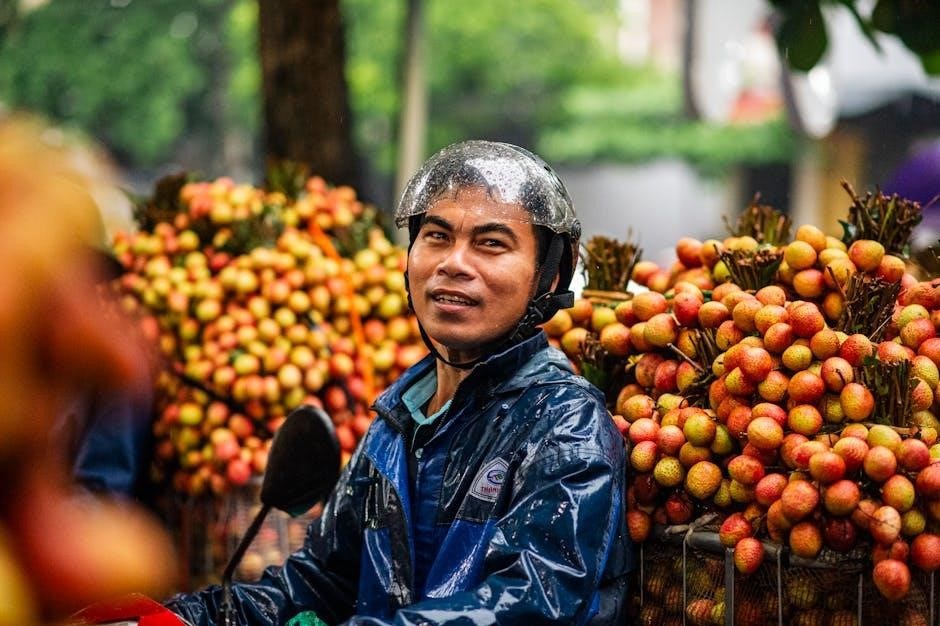
Self-Guided Motorcycle Tour Vietnam: A Comprehensive Plan
Embark on an unforgettable adventure! Explore Vietnam’s vibrant culture and stunning landscapes via a self-guided motorbike tour‚ maximizing even short visits with immersive experiences.
Vietnam offers a uniquely rewarding experience for motorcycle enthusiasts. The country’s diverse terrain‚ ranging from the majestic mountains of the north to the lush rice paddies of the Mekong Delta and the stunning coastline‚ is best explored on two wheels. A self-guided tour provides unparalleled freedom and allows you to connect with the local culture on a deeper level.
Motorcycle touring in Vietnam isn’t just about the destinations; it’s about the journey itself. It’s about navigating bustling city streets‚ winding through scenic passes‚ and discovering hidden gems far from the typical tourist trail. Even a short visit‚ like a 48-hour exploration of Ho Chi Minh City‚ can be transformed into a cultural immersion with a motorbike food tour.
This comprehensive plan will equip you with everything you need to confidently plan and execute your own Vietnamese motorcycle adventure.
Why Choose a Self-Guided Tour?
Opting for a self-guided motorcycle tour unlocks a level of freedom and flexibility unmatched by organized tours. You dictate your pace‚ choose your destinations‚ and linger longer in places that capture your heart. This personalized approach allows for spontaneous discoveries and authentic interactions with local communities.
While guided tours offer convenience‚ they often follow rigid itineraries. A self-guided adventure empowers you to veer off the beaten path‚ explore hidden alleyways‚ and truly immerse yourself in Vietnamese culture. Maximizing a short visit‚ like a quick trip to Ho Chi Minh City‚ becomes easier when you control the schedule.
It’s a chance to challenge yourself‚ build confidence‚ and create a truly unique travel experience.
Best Time of Year for a Vietnam Motorcycle Trip
Vietnam’s diverse geography experiences varying weather patterns‚ making timing crucial for a successful motorcycle adventure. Generally‚ the shoulder seasons – spring (February to April) and autumn (September to November) – offer the most favorable conditions across much of the country.
During these months‚ temperatures are moderate‚ rainfall is less frequent‚ and humidity is manageable. However‚ regional variations exist. The north experiences cooler‚ drier winters‚ while the south remains warm year-round but faces monsoon season from May to October.
Planning around local festivals can enhance your experience‚ but be prepared for increased crowds. Consider the specific routes you intend to travel and research the corresponding weather patterns for optimal enjoyment.
Essential Motorcycle Routes in Vietnam
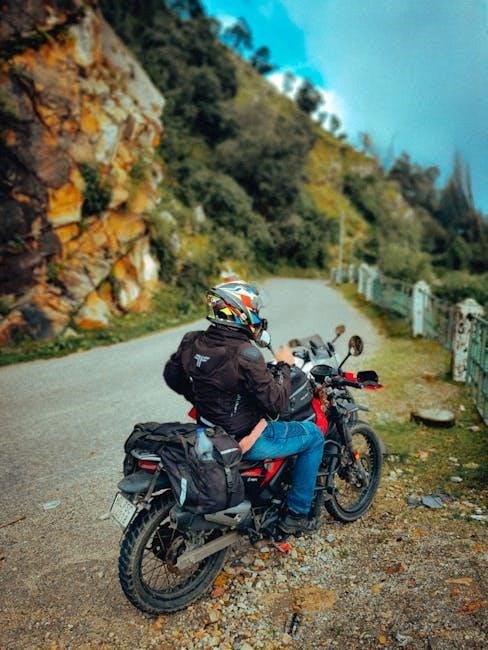
Vietnam boasts a network of incredible routes‚ each offering unique scenery and challenges for motorcycle enthusiasts. The Ha Giang Loop‚ in the far north‚ is renowned for its breathtaking mountain passes and ethnic minority villages – a challenging but rewarding ride.
The historic Ho Chi Minh Trail provides a glimpse into Vietnam’s past‚ traversing rugged terrain and remote areas. For coastal views‚ the route from Hoi An to Nha Trang offers stunning beaches and charming towns.
Finally‚ the Northwest Loop‚ encompassing Sapa and Dien Bien Phu‚ showcases rice terraces‚ lush valleys‚ and a rich cultural tapestry. These routes cater to varying skill levels and preferences‚ promising an unforgettable journey.
The Ha Giang Loop
The Ha Giang Loop is arguably Vietnam’s most iconic motorcycle route‚ a challenging four-to-five-day adventure in the far north. It’s famed for its dramatic mountain passes‚ winding roads‚ and stunning vistas of limestone karsts and terraced rice paddies.
Riders will encounter diverse ethnic minority groups‚ experiencing their unique cultures and traditions. The loop typically starts and ends in Ha Giang city‚ passing through Dong Van and Meo Vac.
Be prepared for challenging road conditions‚ including steep inclines and hairpin turns. Proper preparation and a reliable motorcycle are essential. This loop offers an immersive experience into rural Vietnam‚ rewarding riders with unparalleled beauty and cultural encounters.
The Ho Chi Minh Trail
The Ho Chi Minh Trail isn’t a single road‚ but a network of paths used during the Vietnam War to transport supplies. Today‚ sections are accessible by motorcycle‚ offering a historical and adventurous journey through central and western Vietnam.
Expect a multi-day trip‚ often spanning a week or more‚ traversing rugged terrain and remote areas; The route passes through dense jungles‚ mountains‚ and ethnic minority villages‚ providing a glimpse into a less-touristed side of Vietnam.
Road conditions vary significantly‚ from paved highways to dirt tracks. A robust motorcycle and off-road riding experience are highly recommended. This trail provides a profound connection to Vietnam’s history and natural beauty.
Coastal Route: Hoi An to Nha Trang
This iconic route offers a stunning blend of scenic coastline‚ charming towns‚ and vibrant city life. The journey from Hoi An to Nha Trang typically takes 5-7 days‚ allowing ample time to explore hidden beaches‚ fishing villages‚ and bustling markets.
The roads are generally well-maintained‚ making it suitable for riders of varying experience levels. Expect breathtaking views of the South China Sea‚ opportunities for swimming and watersports‚ and delicious seafood at local restaurants.
Highlights include the Hai Van Pass‚ offering panoramic vistas‚ and the picturesque beaches near Da Nang; This route is perfect for those seeking a relaxed pace and coastal beauty.
Northwest Loop: Sapa & Dien Bien Phu
Venture into Vietnam’s rugged and remote northwest for an adventurous motorcycle experience. This loop‚ encompassing Sapa and Dien Bien Phu‚ showcases breathtaking mountain scenery‚ ethnic minority cultures‚ and historical significance. Expect challenging roads with winding passes and steep inclines‚ requiring confident riding skills.
Sapa offers stunning rice terraces and vibrant hill tribe markets‚ while Dien Bien Phu holds historical importance as the site of a decisive battle. The journey typically takes 7-10 days‚ allowing for immersive cultural encounters and exploration of remote villages.
Be prepared for varying weather conditions and potential road closures‚ especially during the rainy season. This route is ideal for experienced riders seeking an off-the-beaten-path adventure.
Motorcycle Rental Options & Considerations
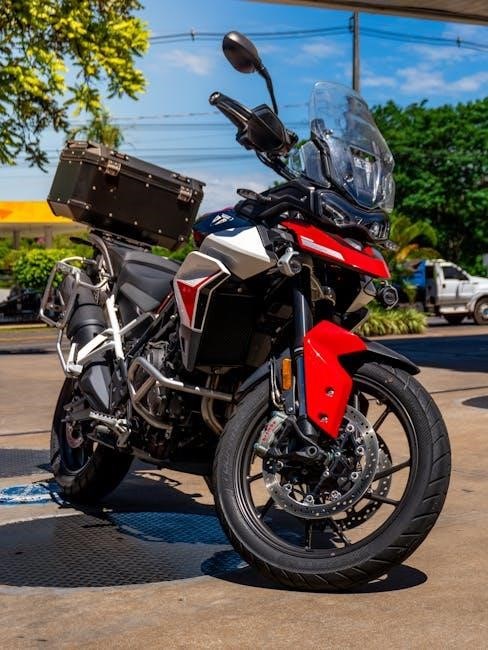
Numerous rental options cater to various budgets and preferences. Popular choices include semi-automatic (Honda Win) and manual motorcycles (Yamaha‚ Suzuki). Expect daily rates ranging from $8 to $25‚ depending on the bike and rental duration. Thoroughly inspect the motorcycle before rental‚ documenting any existing damage with photos and video.
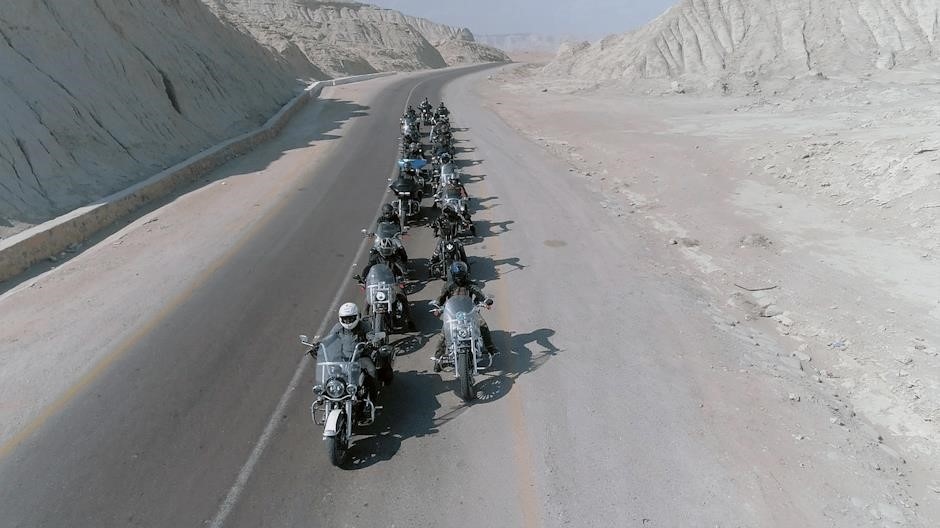
Consider reputable rental companies offering 24/7 support and roadside assistance. Deposit requirements typically range from $100 to $500‚ often refundable upon the bike’s safe return. Ensure the rental agreement clearly outlines insurance coverage and liability terms.
Prioritize a well-maintained motorcycle suitable for the intended terrain.
Legal Requirements & Paperwork
Navigating Vietnamese regulations is crucial for a smooth journey. Officially‚ a valid Vietnamese motorcycle license is required. However‚ enforcement varies. Many travelers utilize an International Driving Permit (IDP) alongside their home country’s license.
An IDP is generally accepted for short-term rentals‚ but confirm its validity with rental companies and local authorities. Ensure your IDP is specifically endorsed for motorcycles. Carrying copies of your passport‚ visa‚ and insurance details is highly recommended.
Be prepared for potential police checkpoints; having proper documentation can prevent delays or fines.
Vietnamese Driving License Requirements
Obtaining a full Vietnamese motorcycle license is a complex process‚ typically requiring a lengthy stay and passing both a written and practical exam in Vietnamese. This isn’t feasible for most tourists on shorter trips. The process involves a medical check‚ application submission‚ and theoretical/practical tests.
Successfully completing these steps grants a license valid for a specific period. However‚ the bureaucratic hurdles and language barrier often deter travelers. Many opt for the International Driving Permit route‚ understanding the potential risks involved if stopped by authorities.
Consider the time commitment and difficulty before pursuing a full Vietnamese license.
International Driving Permit Validity
An International Driving Permit (IDP) is often used by tourists for motorcycle touring in Vietnam‚ but its acceptance isn’t always guaranteed and regulations can be ambiguous. Officially‚ an IDP is valid for a limited period‚ typically three months from the date of issue‚ alongside your home country’s license.
However‚ enforcement varies significantly across different provinces. Some authorities may accept an IDP without issue‚ while others may require a full Vietnamese license‚ potentially leading to fines or impoundment of the vehicle. It’s crucial to check the latest regulations before your trip.
Carry both your IDP and original license at all times.
Motorcycle Preparation & Maintenance
Before embarking on your Vietnamese adventure‚ thorough motorcycle preparation is paramount. Whether renting or bringing your own bike‚ a pre-trip inspection is essential. Check tire pressure‚ tread depth‚ and overall condition. Inspect brakes – both front and rear – for responsiveness and wear. Ensure all lights (headlights‚ indicators‚ brake lights) are functioning correctly.
Fluid levels (oil‚ coolant‚ brake fluid) must be topped up. Familiarize yourself with basic maintenance tasks like chain lubrication and tightening. Carry a small toolkit with essential spares – fuses‚ spark plugs‚ and basic repair tools. Regular checks during your journey are vital‚ especially after challenging terrain.
Essential Gear & Packing List
Packing strategically is crucial for a comfortable and safe Vietnam motorcycle tour. Prioritize robust protective gear: a DOT-approved helmet is non-negotiable‚ alongside a sturdy motorcycle jacket‚ gloves‚ and ankle-supporting boots. Consider abrasion-resistant riding pants.
A comprehensive tools & repair kit should include tire repair tools‚ a chain breaker‚ multi-tool‚ duct tape‚ and spare fuses. Pack rain gear – Vietnam’s weather can be unpredictable. Bring a first-aid kit with antiseptic wipes‚ bandages‚ and pain relievers. Don’t forget sunscreen‚ insect repellent‚ and a reusable water bottle. Lightweight‚ quick-drying clothing is recommended.
Protective Gear (Helmet‚ Jacket‚ Gloves‚ Boots)
Prioritizing safety begins with quality protective gear. A properly fitted‚ DOT-approved helmet is paramount – consider a full-face model for maximum protection. Invest in a durable motorcycle jacket offering abrasion resistance and impact protection; textile or leather options are available.
Gloves are essential‚ protecting your hands from abrasions and the elements. Choose gloves with reinforced palms and knuckle protection. Sturdy‚ over-the-ankle boots are crucial‚ providing support and safeguarding against injuries. Avoid sneakers or sandals. Ensure all gear fits comfortably to allow for freedom of movement while riding.
Tools & Repair Kit
Self-sufficiency on the road demands a comprehensive tools and repair kit. Include a basic set of wrenches‚ screwdrivers (Phillips and flathead)‚ pliers‚ and an adjustable wrench. A tire repair kit – patches‚ glue‚ and tire levers – is vital for dealing with punctures. Carry a spark plug‚ spare fuses‚ and electrical tape for minor electrical issues.
A multi-tool can prove incredibly useful. Don’t forget a chain lubricant and a small pump or compressor for tire inflation. Duct tape offers versatile repair options. Consider bringing a small flashlight and a multimeter for diagnostics. Knowing basic motorcycle maintenance will significantly enhance your self-reliance during your Vietnamese adventure.
Accommodation Options Along the Routes
Vietnam offers a diverse range of lodging to suit every budget and preference. From bustling cities to remote mountain villages‚ choices abound. Expect to find everything from budget-friendly hostels and guesthouses (nhà nghỉ) to comfortable mid-range hotels and luxurious resorts. Homestays provide an immersive cultural experience‚ allowing interaction with local families.
Booking in advance is recommended during peak season‚ especially in popular tourist destinations. Websites like Booking.com and Agoda are widely used. In smaller towns‚ simply arriving and asking around can often yield good deals. Consider a mix of pre-booked and spontaneous accommodation for flexibility during your self-guided tour.
Food & Drink: A Culinary Journey
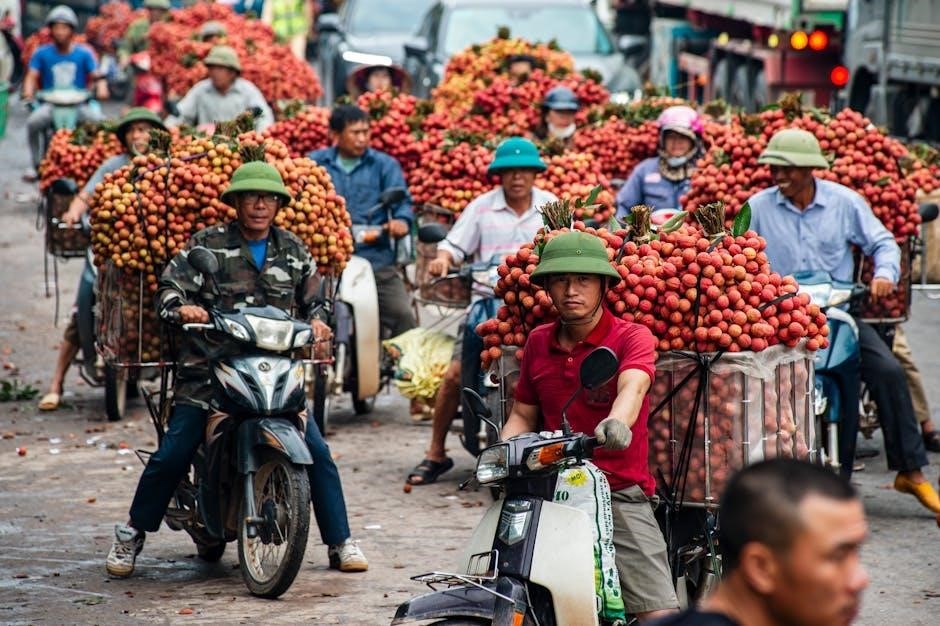
Vietnamese cuisine is a highlight of any trip‚ and a motorcycle tour offers unparalleled access to local flavors. Pho (noodle soup) is a national staple‚ but explore beyond! Banh mi (baguettes)‚ fresh spring rolls (goi cuon)‚ and regional specialties await discovery.
Street food is incredibly safe and delicious – look for busy stalls with high turnover. Don’t hesitate to try local cafes for strong Vietnamese coffee (ca phe). Fresh fruit smoothies are readily available and incredibly refreshing. Be adventurous‚ embrace the flavors‚ and enjoy the culinary journey alongside your motorcycle adventure!
Navigating Vietnam: Maps & GPS
Reliable navigation is crucial for a self-guided tour. While physical maps offer a good overview‚ a GPS device or smartphone with offline maps is essential. Google Maps works reasonably well in cities‚ but coverage can be spotty in remote areas.
Download offline maps (Maps.me is a popular choice) before you go. Consider a handlebar-mounted phone holder for easy access. Be aware that road conditions and signage can be inconsistent‚ so cross-reference your GPS with local inquiries. Learning basic Vietnamese phrases for directions can also prove invaluable during your exploration.
Safety Precautions & Road Rules
Prioritize safety above all else. Vietnamese traffic can be chaotic! Always wear a high-quality helmet – it’s legally required and potentially life-saving. Be extremely cautious of unpredictable vehicle movements and pedestrians. Honking is frequent and often used as a warning‚ not aggression.
Familiarize yourself with local road rules; overtaking on the right is common. Maintain a safe following distance and anticipate sudden stops. Avoid riding at night‚ especially in rural areas. Defensive driving is key. Carry a basic first-aid kit and know emergency contact numbers.
Dealing with Traffic & Local Drivers
Navigating Vietnamese traffic requires patience and awareness. Expect a constant flow of motorbikes‚ cars‚ buses‚ and bicycles‚ often disregarding lane markings. Local drivers are accustomed to a different set of rules – anticipate the unexpected! Maintain a calm demeanor and avoid aggressive reactions.
Be assertive but polite when maneuvering. Use your horn judiciously to signal your presence. Eye contact can be helpful‚ but don’t assume drivers have seen you. Slow and steady often wins the race. Observe how locals navigate intersections and follow their lead. Remember‚ yielding is often more effective than insisting on right-of-way.
Common Motorcycle Issues & Troubleshooting
Be prepared for minor mechanical hiccups during your journey. Flat tires are frequent‚ so carry a repair kit and know how to use it – or be prepared to find a local mechanic. Fuel quality can vary; consider carrying a small fuel filter. Check oil levels regularly‚ especially on longer routes.
Loose mirrors and handlebars are common. A multi-tool is invaluable for quick fixes. If the bike overheats‚ pull over and let it cool. For more serious issues‚ locate a reputable repair shop – ask locals for recommendations. Knowing basic Vietnamese phrases for “repair” and “mechanic” will be incredibly helpful.
Budgeting for Your Vietnam Motorcycle Tour
Planning your finances is crucial for a smooth trip. Daily expenses typically range from $30-$60‚ depending on your comfort level. Rental Costs vary significantly – expect $8-$25 per day for a semi-automatic or manual bike. Fuel & Tolls are relatively inexpensive‚ around $5-$10 daily‚ depending on distance.
Accommodation can range from $10 for a hostel dorm to $50+ for a comfortable hotel. Food is incredibly affordable‚ with street food costing just a few dollars per meal. Factor in costs for visas‚ insurance‚ and potential repairs. A contingency fund of $100-$200 is wise for unexpected expenses or emergencies.
Rental Costs
Motorcycle rental prices in Vietnam are surprisingly affordable‚ but vary based on bike type‚ rental duration‚ and location. Expect to pay between $8 and $15 per day for a reliable semi-automatic scooter‚ ideal for most routes. Larger displacement manual motorcycles‚ suitable for challenging terrain like the Ha Giang Loop‚ typically range from $15 to $25 daily.
Longer rentals often qualify for discounted rates; a weekly or monthly rental can significantly reduce the daily cost. Always inspect the bike thoroughly before renting and document any existing damage. Deposit requirements usually range from $100 to $300‚ often refundable upon safe return.
Fuel & Tolls
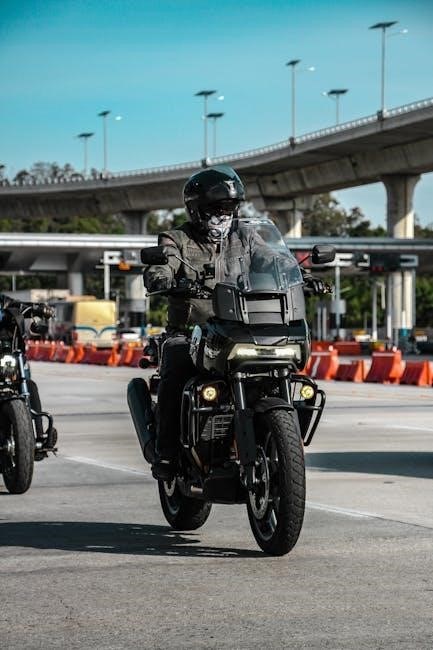
Fuel costs in Vietnam are relatively low‚ contributing to the affordability of a motorcycle tour. Petrol (gasoline) prices fluctuate but generally hover around $0.90 to $1.10 per liter. A full tank for a scooter or small motorcycle typically costs between $3 and $5‚ providing a range of 150-200 kilometers.
Tolls are encountered on expressways and some major highways. Fees are usually collected at designated toll booths and vary depending on the distance travelled. Expect to pay a few dollars for longer expressway stretches. Smaller roads generally do not have tolls. Budgeting around $5-$10 per day for fuel and tolls is a reasonable estimate for most routes.
Insurance for Motorcycle Tours
Securing adequate insurance is paramount for a safe and worry-free Vietnam motorcycle tour. Many standard travel insurance policies do not cover motorcycle accidents‚ especially if you are not a licensed driver in Vietnam. Therefore‚ specialized motorcycle insurance is crucial.
Several companies offer coverage specifically for motorbike travel in Vietnam. These policies typically cover medical expenses‚ repatriation‚ and third-party liability. Daily rates range from $10 to $30‚ depending on the level of coverage. Carefully review the policy details to ensure it covers potential risks‚ including accidents‚ theft‚ and damage. Always carry proof of insurance with you during your journey.
Cultural Etiquette & Respect
Vietnam deeply values respect and politeness. Demonstrating cultural sensitivity enhances your experience and fosters positive interactions with locals. Dress modestly‚ especially when visiting temples or pagodas – cover shoulders and knees. Remove your shoes before entering homes and religious sites.
Public displays of affection are generally discouraged. When visiting local families‚ bringing a small gift‚ like fruit or sweets‚ is a thoughtful gesture. Learn a few basic Vietnamese phrases – “xin chào” (hello) and “cảm ơn” (thank you) – they go a long way. Be mindful of your tone and avoid loud or aggressive behavior. Patience and a respectful attitude are key to a rewarding journey.
Communication & Staying Connected
Staying connected in Vietnam is relatively easy. Purchasing a local SIM card is the most cost-effective way to access data and make calls. Viettel‚ Mobifone‚ and Vinaphone are popular providers‚ readily available at airports and convenience stores. Wi-Fi is increasingly common in hotels‚ cafes‚ and restaurants‚ particularly in tourist areas.
While English is spoken in major cities and tourist destinations‚ it’s less prevalent in rural areas. Downloading a translation app like Google Translate can be incredibly helpful. Learning a few basic Vietnamese phrases will also enhance your interactions. Consider a portable Wi-Fi hotspot for consistent connectivity on the road‚ ensuring access to maps and communication tools throughout your self-guided adventure.
Emergency Contacts & Assistance
Preparedness is key for a safe journey. Save the local emergency numbers in your phone: Police (113)‚ Fire (114)‚ Ambulance (115). The international emergency number‚ 112‚ may also work. Your embassy or consulate should be your first point of contact for serious issues; locate their details before departure.
Travel insurance is crucial‚ covering medical emergencies‚ repatriation‚ and theft. Familiarize yourself with your policy’s claim process. Many hospitals in major cities have English-speaking staff. Inform someone of your itinerary and check in regularly. Consider joining online Vietnam travel forums for up-to-date information and support from fellow travelers during your self-guided tour.
Potential Challenges & How to Overcome Them
Expect the unexpected on Vietnam’s roads! Mechanical issues are common; learn basic repairs or locate trustworthy mechanics beforehand. Language barriers can be frustrating – download a translation app and learn key phrases. Heavy traffic and unpredictable drivers require constant vigilance and defensive riding.
Be prepared for varying road conditions‚ from smooth highways to rough dirt tracks; Rain is frequent‚ especially during monsoon season‚ so pack appropriate gear. Scams targeting tourists exist; research common tactics and remain cautious. Maintaining a positive attitude and flexibility will help you navigate these challenges and enjoy your self-guided adventure.
Photography Tips for Your Motorcycle Journey
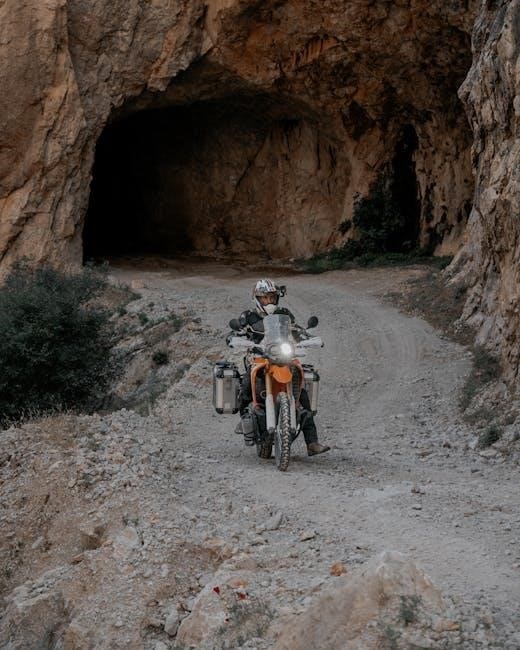
Capture Vietnam’s beauty on two wheels! Prioritize a waterproof and shockproof camera or phone case for bumpy rides. Utilize the golden hour (sunrise/sunset) for stunning landscapes and portraits. Embrace candid shots of local life – ask permission respectfully.
Experiment with different perspectives; shoot from your bike (safely!)‚ or find elevated viewpoints. Don’t forget to photograph the details – vibrant markets‚ intricate architecture‚ and delicious food. Back up your photos daily to avoid losing precious memories. Most importantly‚ be present and enjoy the journey‚ letting the moments unfold naturally before capturing them.
Responsible Tourism & Environmental Considerations
Ride with respect for Vietnam’s environment and communities. Minimize your plastic consumption by carrying a reusable water bottle and shopping bag. Support local businesses – eat at family-run restaurants and purchase handicrafts directly from artisans. Be mindful of your waste; dispose of it properly and participate in clean-up efforts when possible.
Respect local customs and traditions; dress modestly when visiting temples and pagodas. Avoid contributing to animal exploitation; choose ethical wildlife encounters. Consider offsetting your carbon footprint through a reputable organization. Leave no trace – preserve the natural beauty of Vietnam for future generations to enjoy.
Resources & Further Information
Plan your adventure with these helpful resources! Explore online forums like Lonely Planet’s Thorn Tree and AdvRider for firsthand experiences and route advice from fellow travelers. Websites such as Vietnam Coracle offer detailed guides and off-the-beaten-path suggestions. Utilize travel blogs and YouTube channels dedicated to Vietnam motorcycle touring for visual inspiration and practical tips.
Consider purchasing a detailed Vietnam road map and downloading offline maps on your smartphone; Familiarize yourself with Vietnamese phrases using language learning apps. Connect with local tour operators for potential support or emergency assistance. Remember to check official government travel advisories before and during your trip for updated information.